Back to Top
WhatsApp Us
Email Us
LinkedIn
Hotel Facade Lighting Resort Exterior Lighting Wall Washer · Linear · Spotlight

Hotel Facade Lighting Solutions
for Premium Night Arrival Experience

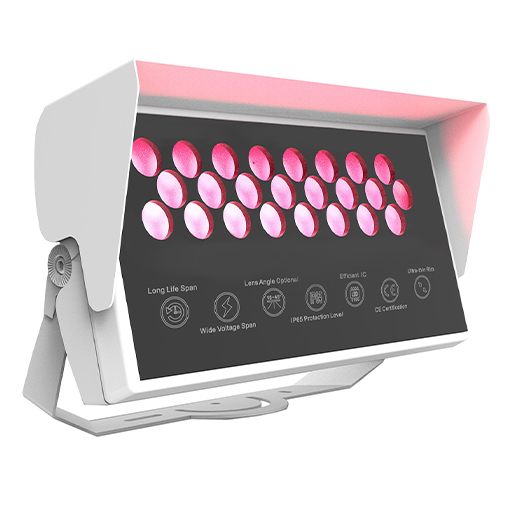
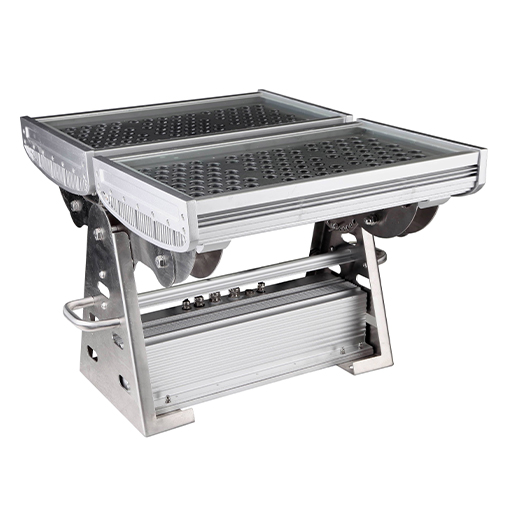
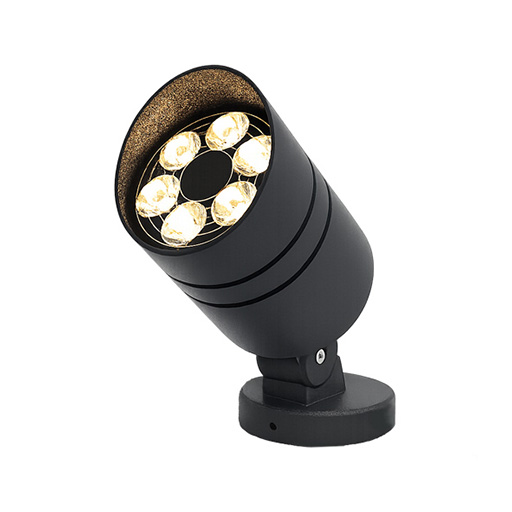
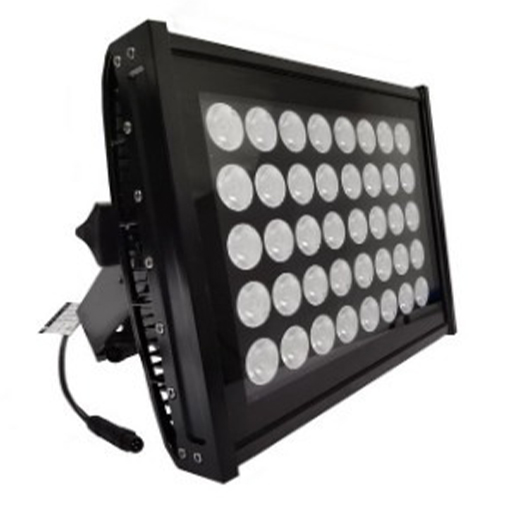
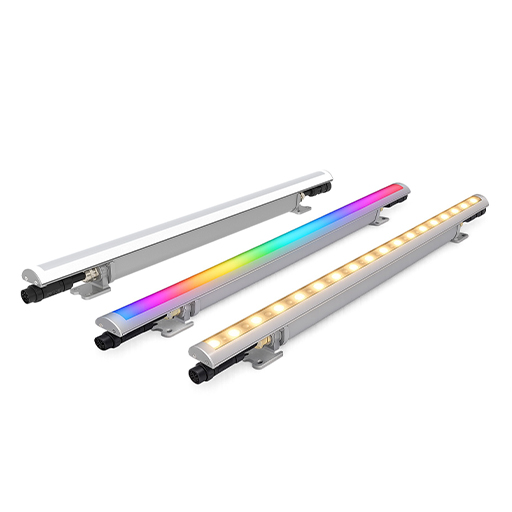
TPK provides hotel facade lighting solutions built around wall washers, linear lights and architectural spotlights for hotel towers, entrance façades, canopy edges and resort exteriors. The primary focus is facade identity and night-time visibility, with resort landscape ambience used as a supporting layer where the project requires it.

This page is structured for hotel exterior lighting projects first, with resort garden and arrival landscape applications added as a secondary hospitality layer.

Primary Lighting Goal
Facade identity at night
Strengthen hotel presence, arrival perception and architectural recognition from a distance.
Supporting Layer
Resort ambience & arrival route
Add warm garden, pathway or drop-off lighting only where it improves hospitality experience.
Recommended Product Mix
Wall washer + linear + accent
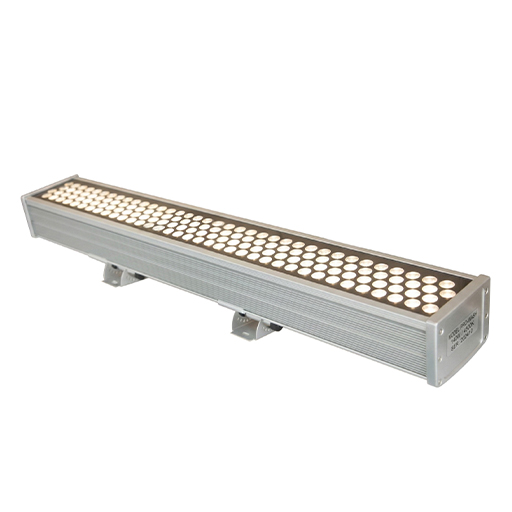
Use facade washing for massing, linear light for rhythm, and spotlights for entrance and selected feature zones.
Definition

What Is Hotel Facade Lighting?

Hotel facade lighting is the coordinated use of outdoor architectural lighting fixtures to shape how a hotel building is perceived after dark. The core objective is not only to illuminate the building skin, but to establish a recognisable night identity, improve guest arrival experience and reinforce the property’s premium positioning.

For most hotel projects, the facade remains the primary visual asset. Wall washers define vertical massing, linear lights emphasise cornices or floor edges, and controlled accent lighting highlights canopies, porte-cochères and signature architectural gestures. This is the main design layer.

In resort properties, a secondary hospitality layer can be added through warm landscape lighting around arrival routes, hedges, trees, terraces and courtyard edges. That landscape layer should support the facade story rather than overpower it.
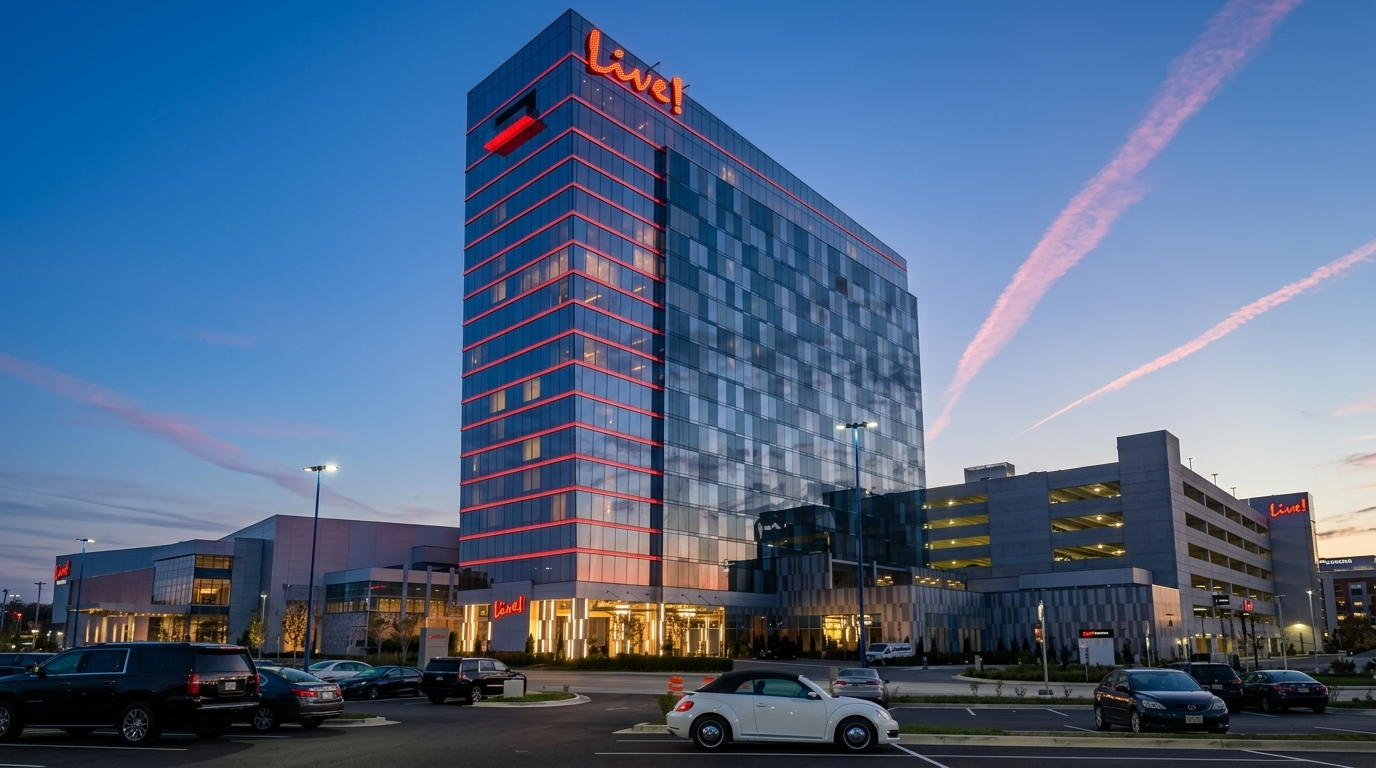
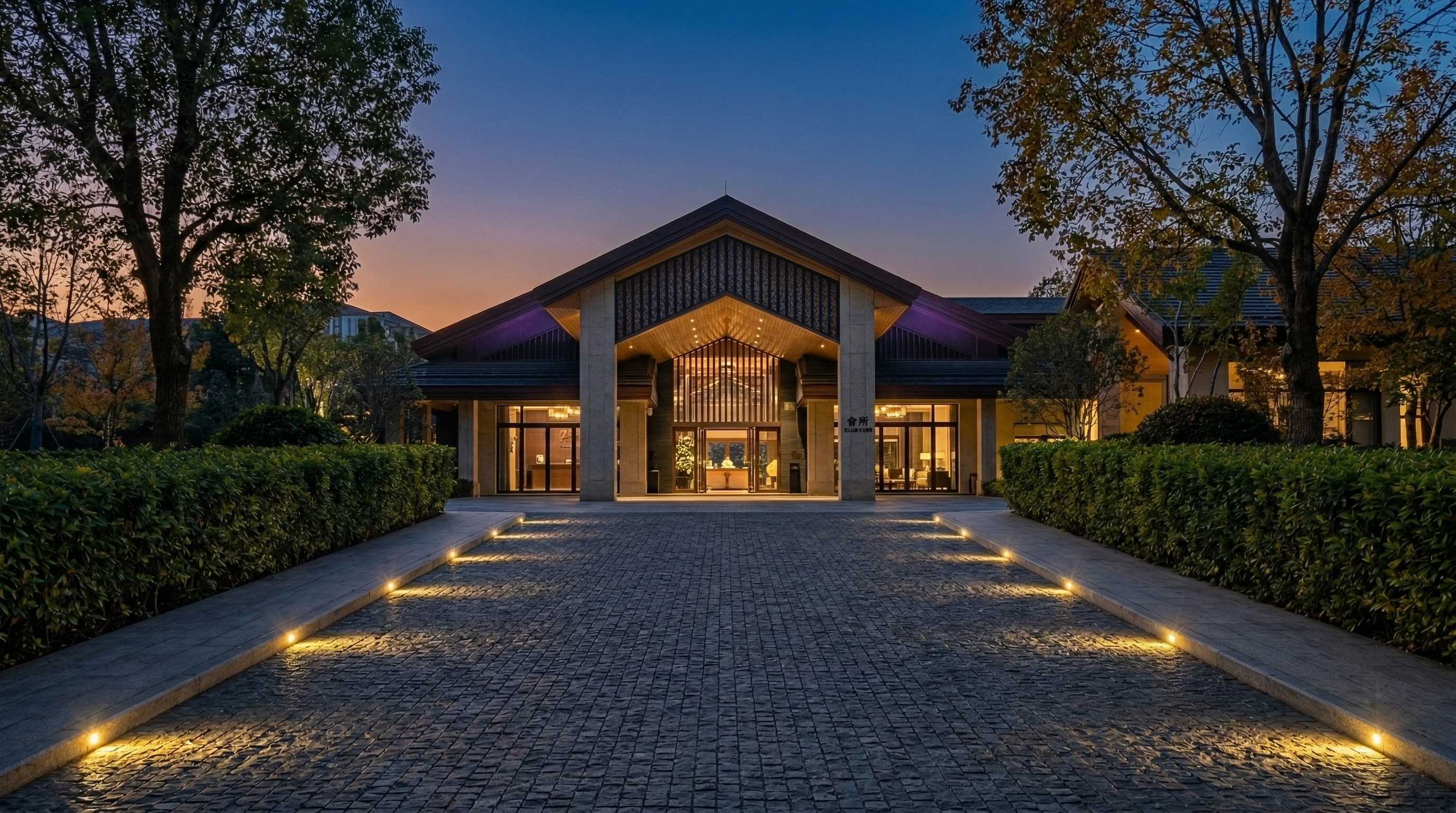
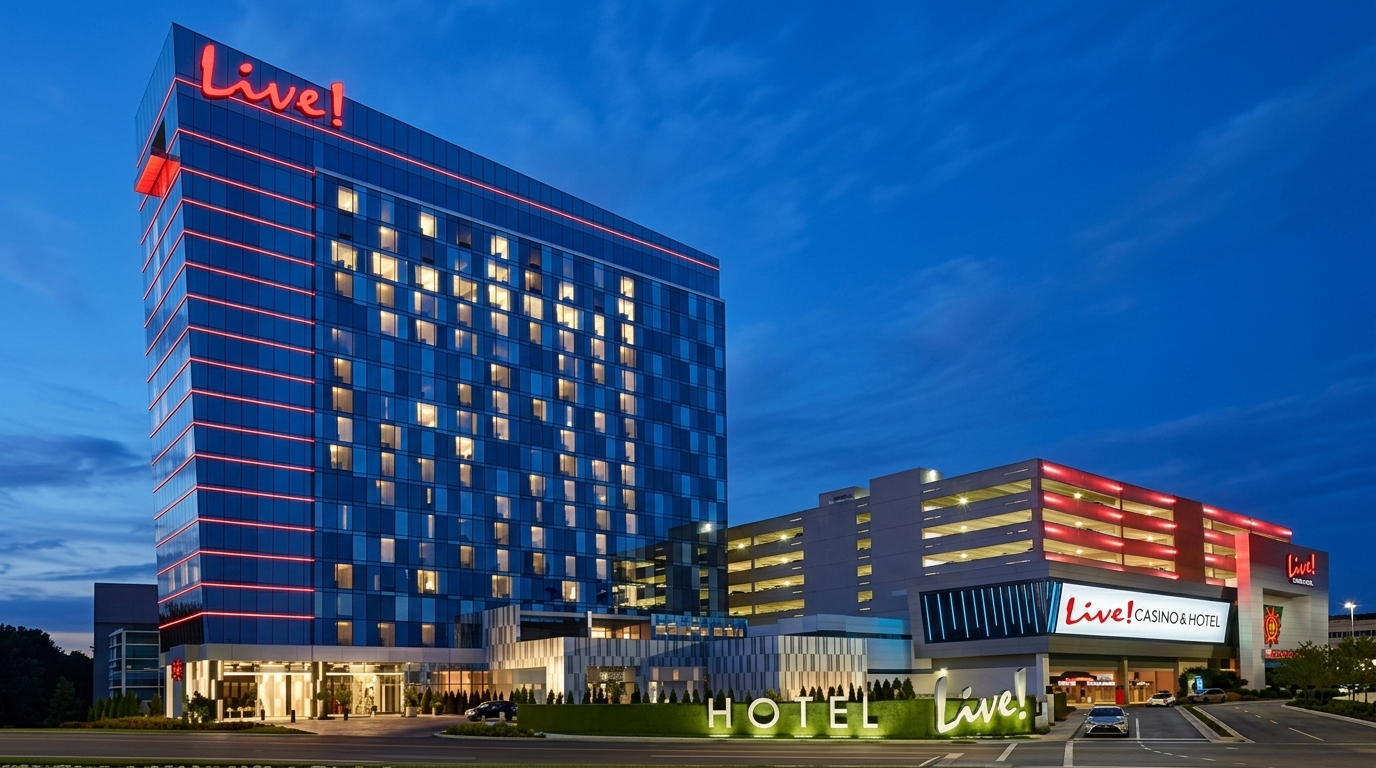
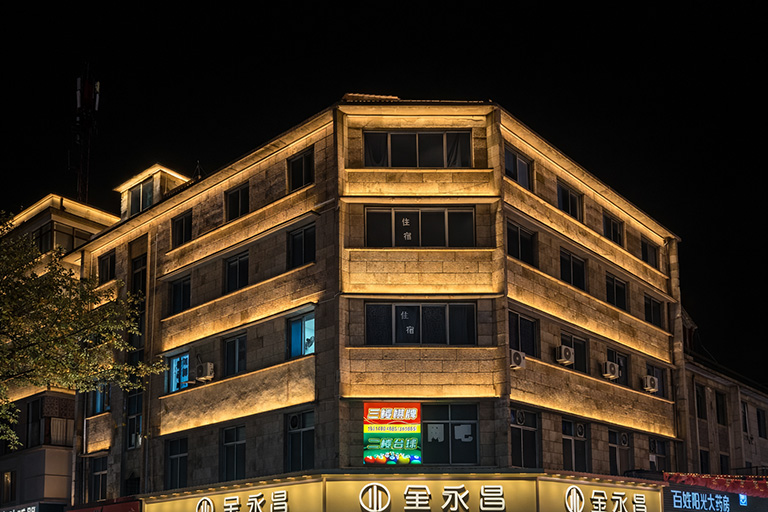
Hotel facade lighting project with linear lighting outlining building edges at night
Primary strategy: facade visibility, architectural rhythm and premium arrival impression.
🏨
Facade Identity
Use wall washers and linear fixtures to give the hotel a clear, elegant night profile visible from key approach roads and surrounding urban context.
Main layer
🚗
Arrival & Drop-off
Light the canopy, porte-cochère and lobby approach with controlled brightness and warm accents so the guest arrival sequence feels secure, premium and well managed.
Main layer
🌴
Resort Ambience
For resort hotels, add a secondary layer with soft landscape lighting on paths, trees and exterior garden edges to support atmosphere without diluting the facade focus.
Supporting layer
Project Challenges

Common Challenges in Hotel Exterior Lighting

Hotel facade projects often need to look premium, remain comfortable for guests and stay reliable in long-term outdoor operation. Resort properties add humidity, vegetation and arrival-route ambience as extra variables.

01

Facade visibility without visual harshness

Luxury hotels need strong recognition at night, but over-lit facades can feel commercial, flat or uncomfortable. The design must balance visibility, depth and restraint.

TPK approach: combine controlled wall washing with selective linear outlining and avoid uniform over-bright treatment across all surfaces.
02

Glare around guest-facing zones

Poor aiming near guest rooms, drop-off areas, outdoor dining or terrace edges can create direct glare and reduce visual comfort.

TPK approach: use anti-glare optics, tighter aiming and layered brightness control at eye-level zones.
03

Warm hospitality tone vs dynamic brand expression

Some hotel brands need calm warm-white elegance, while others want RGBW scenes for skyline presence or event programming. The system must fit brand positioning.

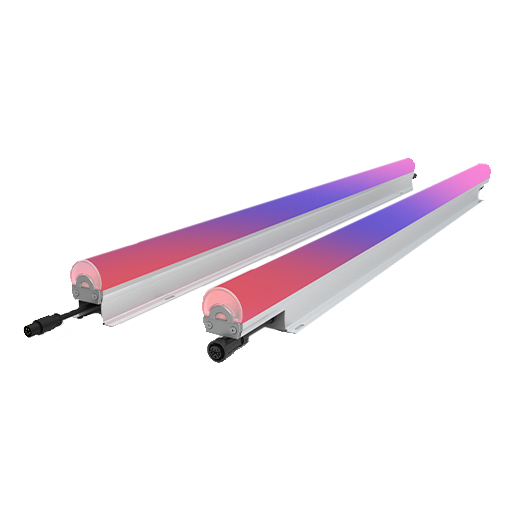
TPK approach: choose warm white for most premium hospitality facades and reserve DMX/RGBW for selected vertical lines, crown features or event scenes.
04

Resort climate durability

Resort hotels can introduce humidity, rain exposure, planting zones and long service expectations across exterior areas.

TPK approach: use outdoor-rated fixture families and keep the resort landscape layer secondary, targeted and easier to maintain.
TPK Method

How TPK Builds a Hotel Lighting Scheme

The system starts from the facade first, then adds selected hospitality landscape elements only where they improve the guest journey.

Step 1 �?Read the architecture. Identify the hotel’s strongest facade gestures: vertical mullions, floor edges, crown zones, entrance massing or canopy lines. These become the primary lighting anchors.

Step 2 �?Choose the fixture hierarchy. Wall washers handle facade mass and surface depth, linear lights reinforce rhythm or edges, and spotlights are reserved for signage, entrance emphasis or selected resort features.

Step 3 �?Add hospitality atmosphere carefully. In resort-style projects, support the facade with warm landscape accents on arrival paths, courtyards or planting zones. This should feel quiet and curated, not visually competitive with the building.

Step 4 �?Keep the result maintainable. The final scheme should be elegant in appearance and practical in long-term operation, especially for hotels that run every night and cannot tolerate patchy exterior lighting.

Hotel and resort exterior lighting with warm landscape accents and facade illumination
Supporting strategy: warm resort landscape accents can reinforce the arrival and courtyard atmosphere without taking over the facade narrative.
FAQ

Hotel Exterior Lighting FAQ

What is the main difference between hotel facade lighting and resort landscape lighting?+

Hotel facade lighting focuses on the building’s architectural identity, skyline recognition and guest arrival impression. Resort landscape lighting is secondary and supports atmosphere around paths, planting, courtyards and exterior guest zones.

Which fixtures are most commonly used for hotel facade lighting?+

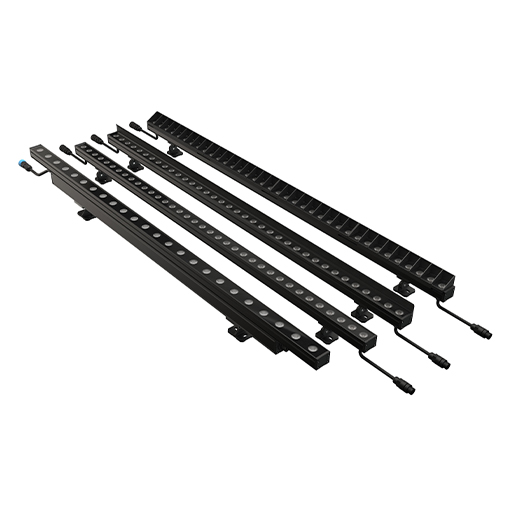
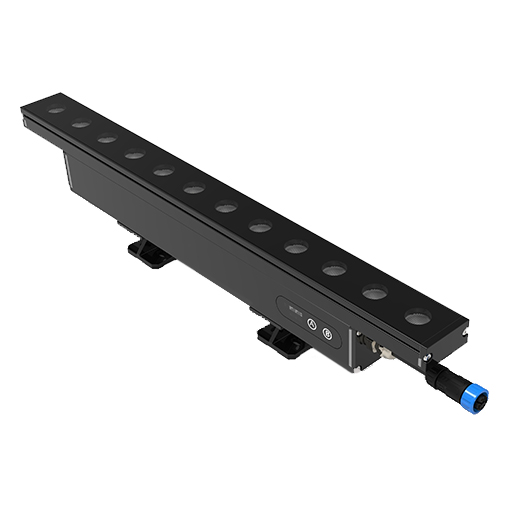
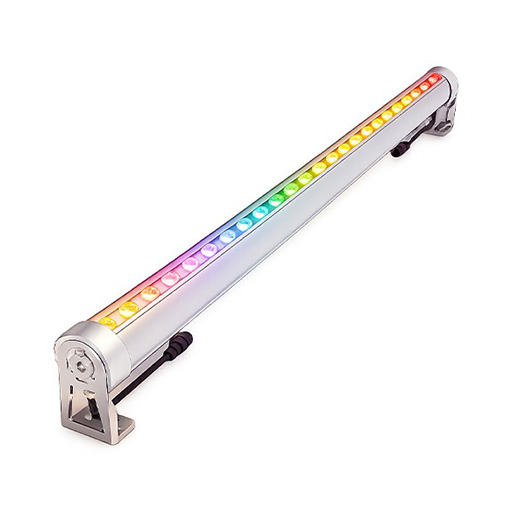
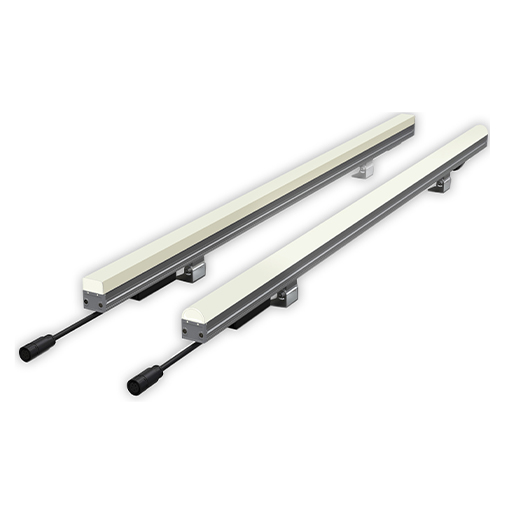
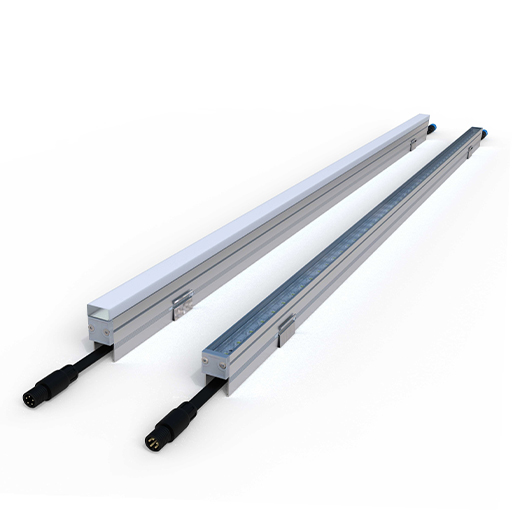
The most common combination is LED wall washers for surface illumination, linear lights for facade rhythm and edge expression, plus selected accent spotlights for entrance features or supporting resort elements.

Should hotel facades use warm white or RGBW?+

Warm white usually suits premium hospitality facades best because it feels elegant, calm and welcoming. RGBW makes sense when the brand wants stronger skyline presence, dynamic event scenes or a more contemporary city-hotel expression.

Can resort landscape lighting be included without shifting the page away from facade lighting?+

Yes. The right method is to keep facade lighting as the main narrative, then add warm pathway, courtyard or planting accents only as a supporting hospitality layer.

Where can clients continue browsing after this page?+
Final CTA

Hotel Facade First.
Resort Ambience Second.

For hospitality projects, start with the building identity, then add selected warm landscape support where it improves the arrival sequence and resort atmosphere. That is the positioning used in this上线�?