

-
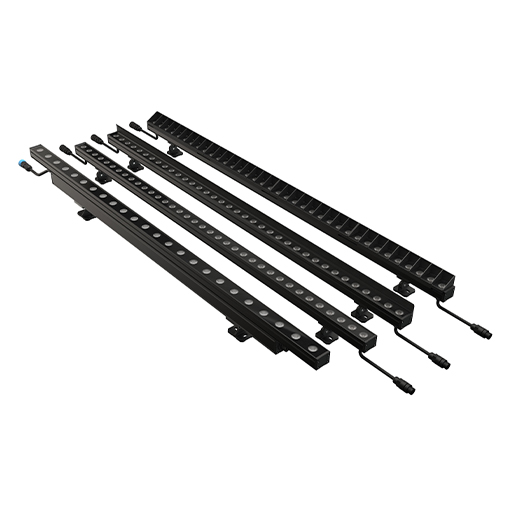
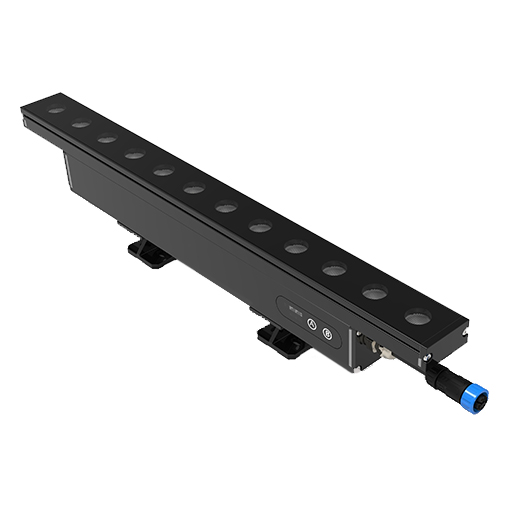
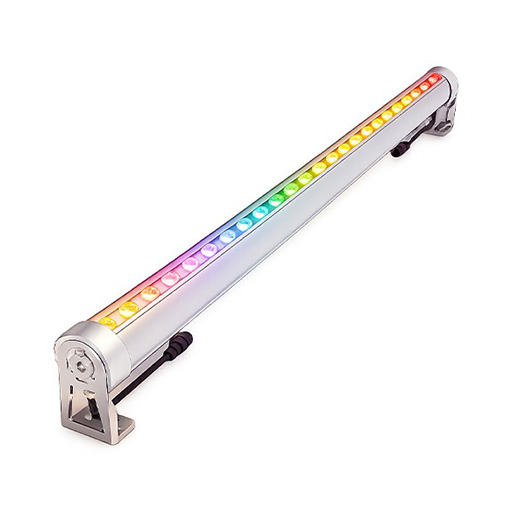
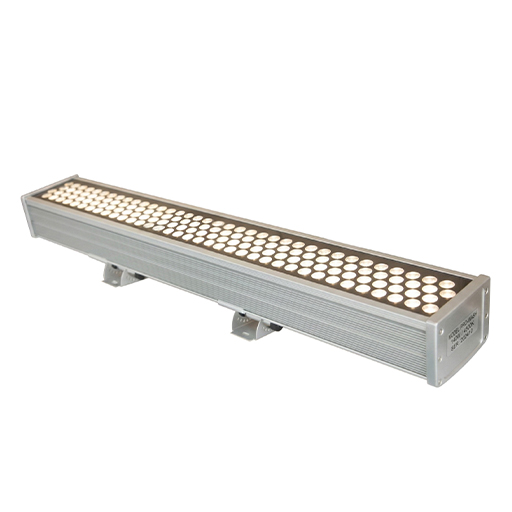
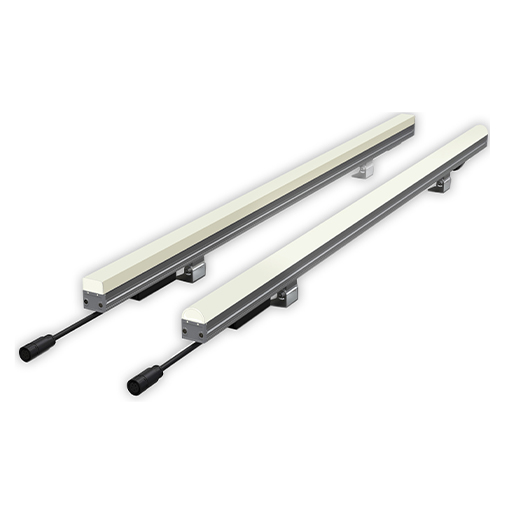
LWW-PZT-W38A
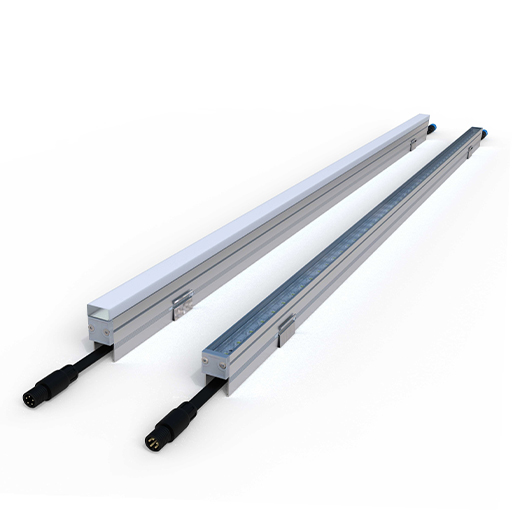
LWW-WZB-W55
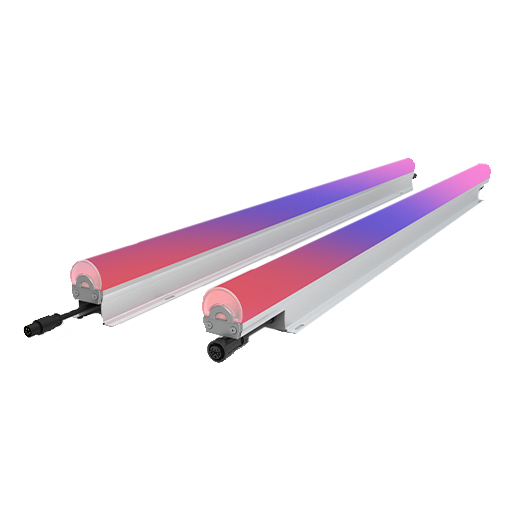
LWW-OP-D80
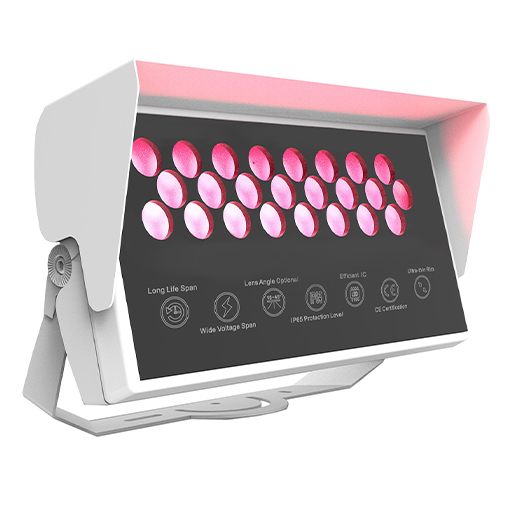
LWW-ROWS-W150
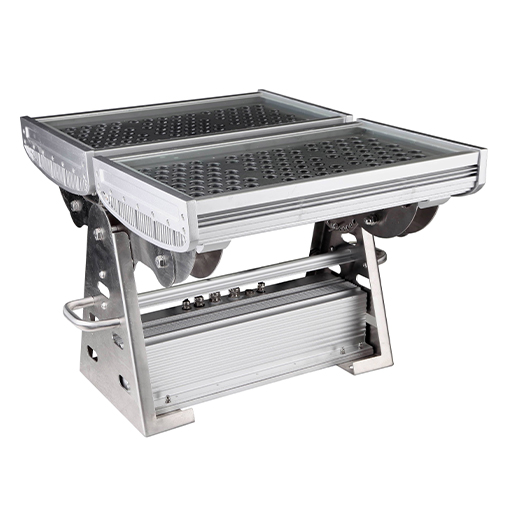
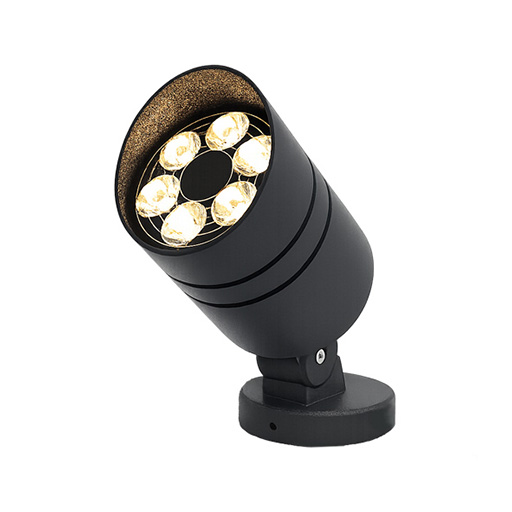
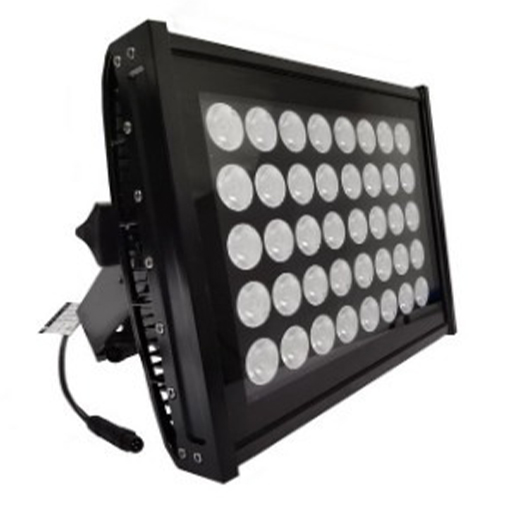
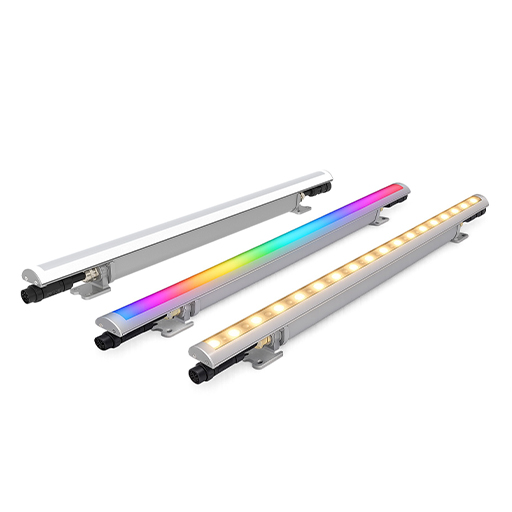
SP-DKP-F170A
SP-MEGA-F620A
SP-MEGA-F310A/B
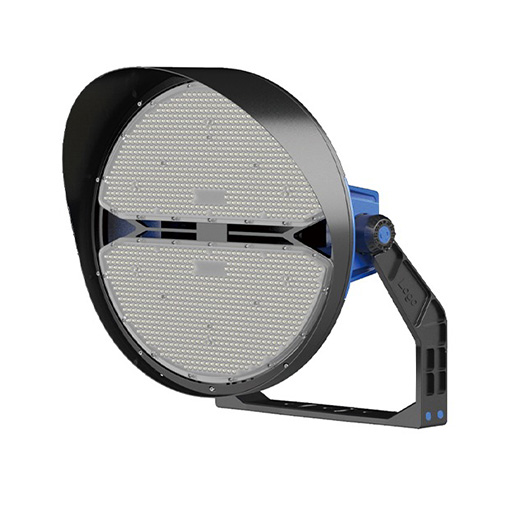
STD-YXYSW4
STD-YXYSW5
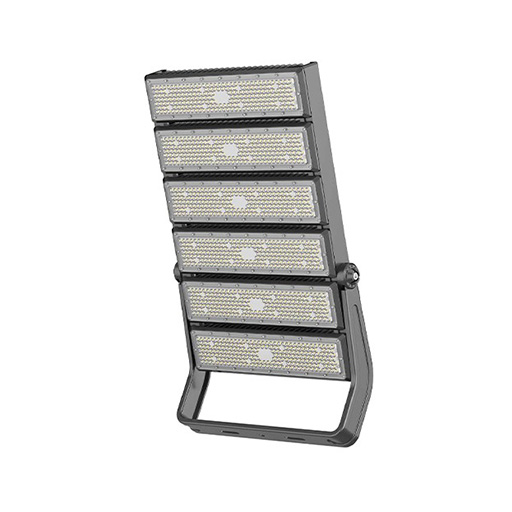
STD-YXYSW6
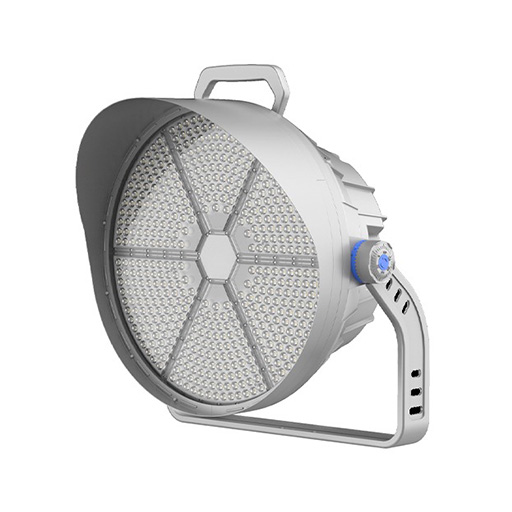
STD-YXYDF3A
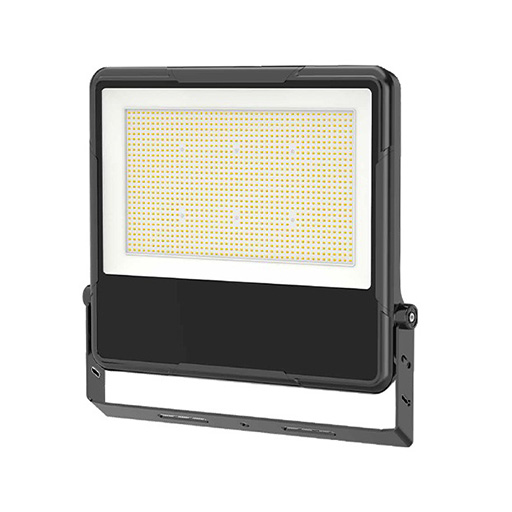
LLS-WZB-W40
LLS-OP-W30A
LLS-OP-W20
LLS-OP-D50
SP-EA-R195/R225
-
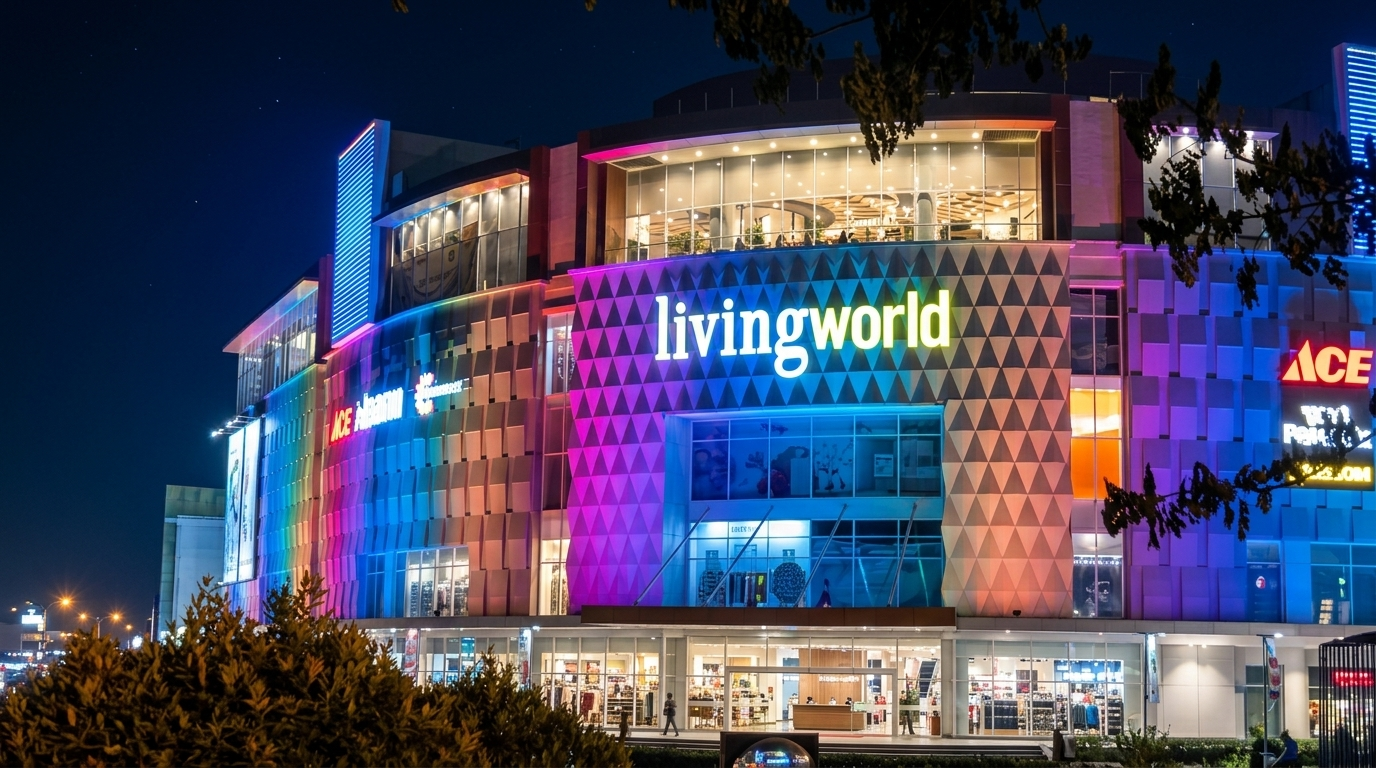
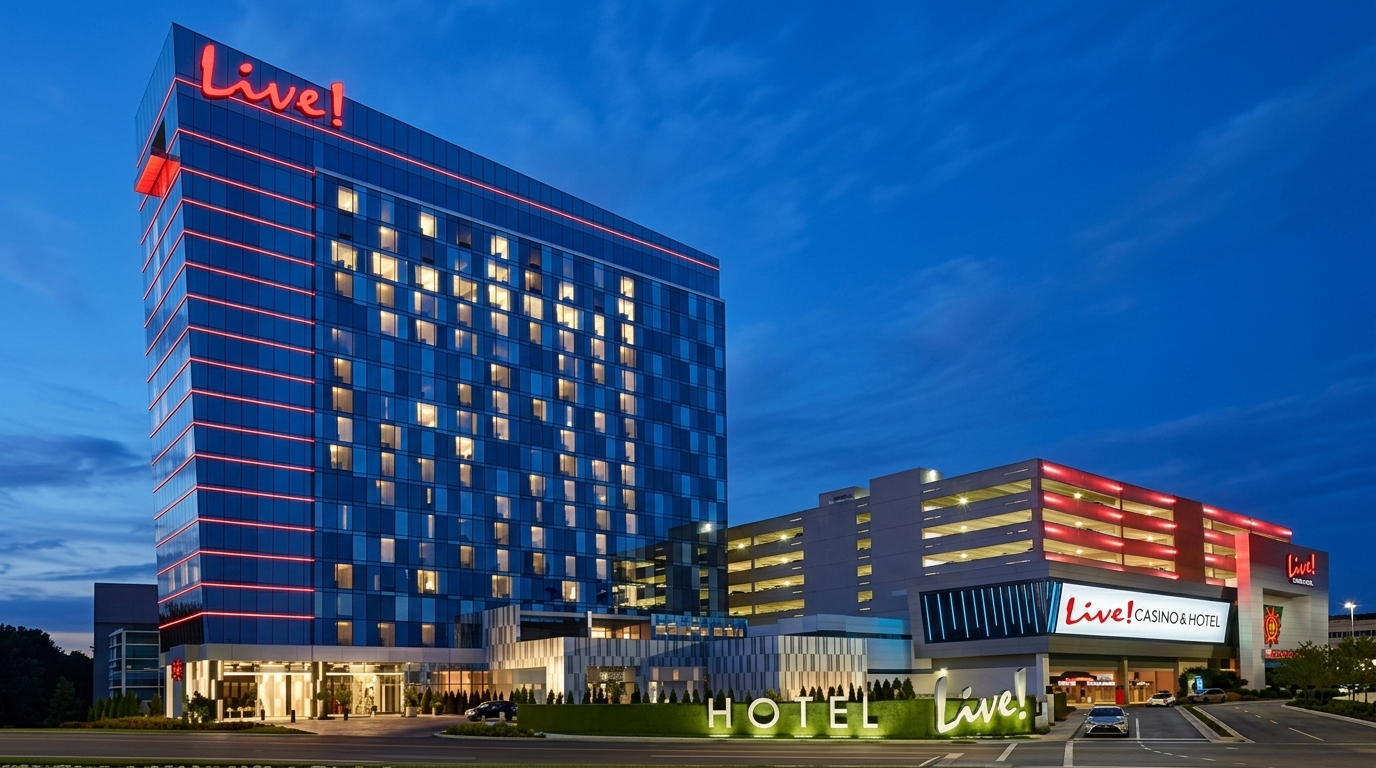
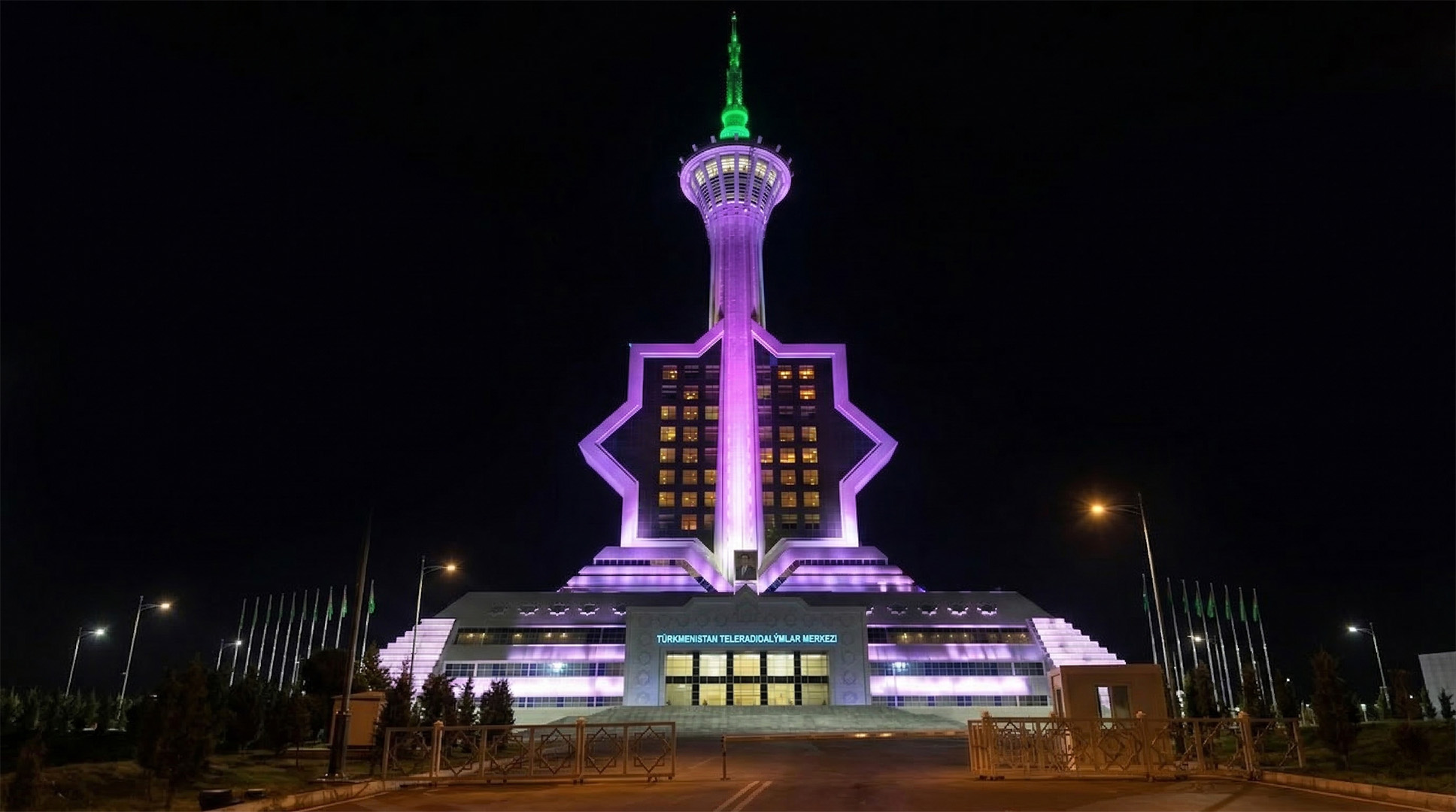
Jinyun County
Live Hotel
Living World Mall Indonesia
Turkmenistan Engineering
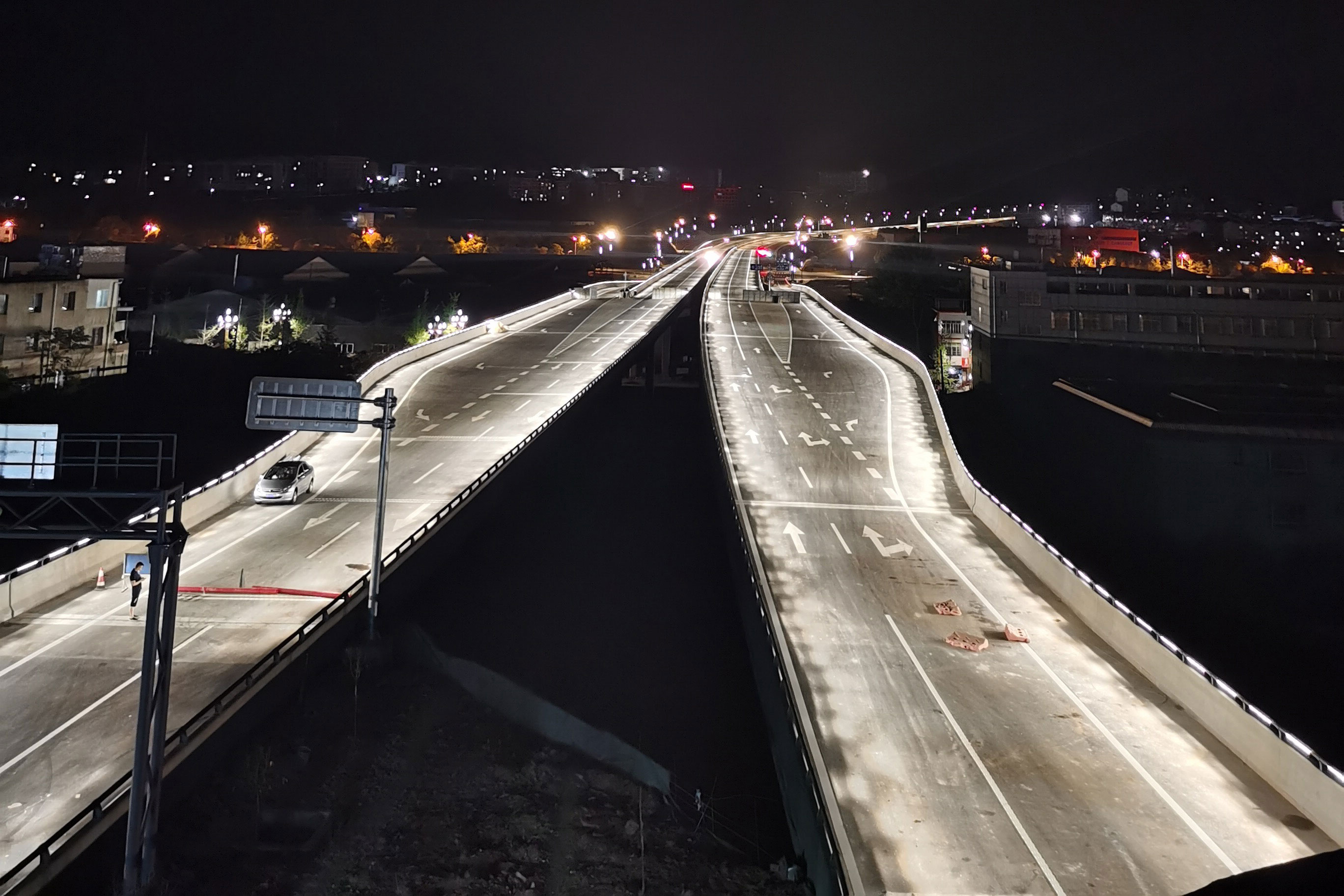
Mianyang city a ring road overpass
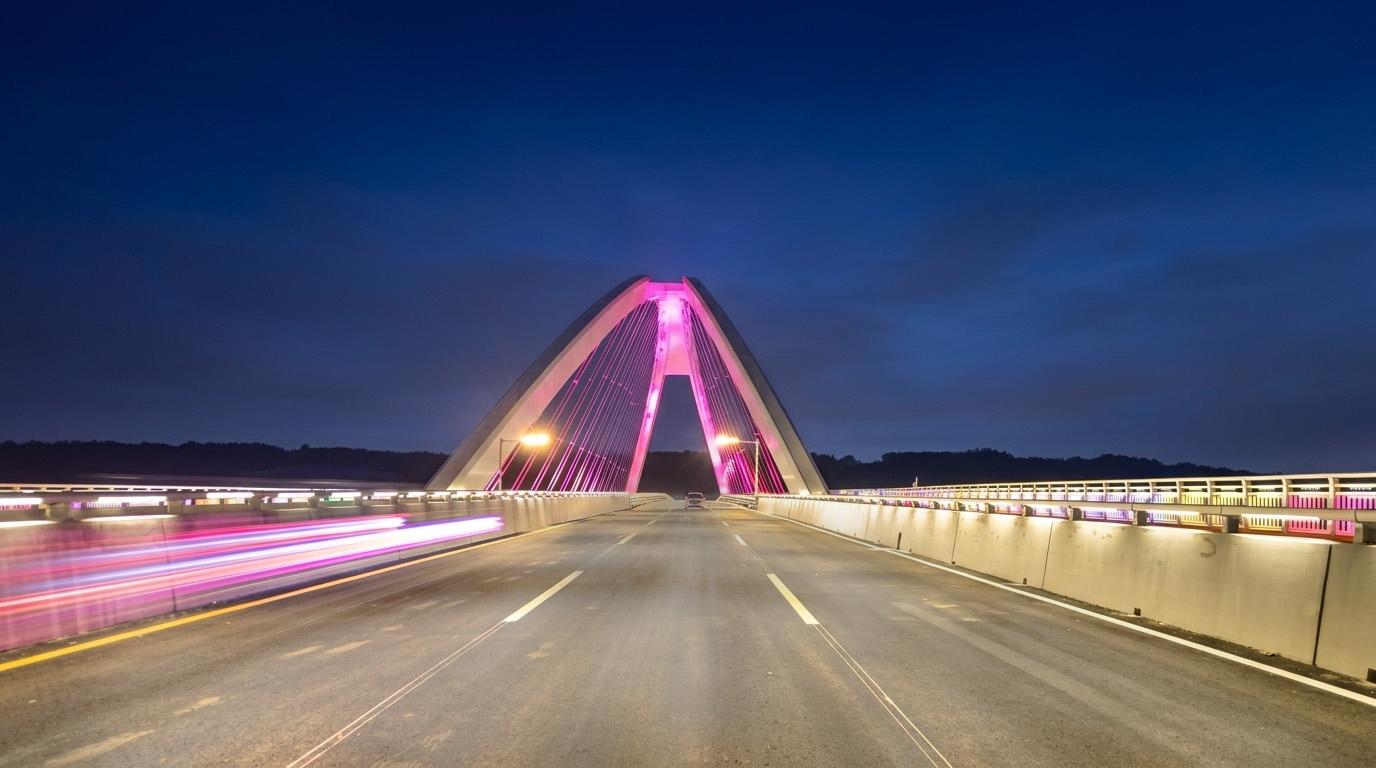
Lighting Project of Fujiang Bridge
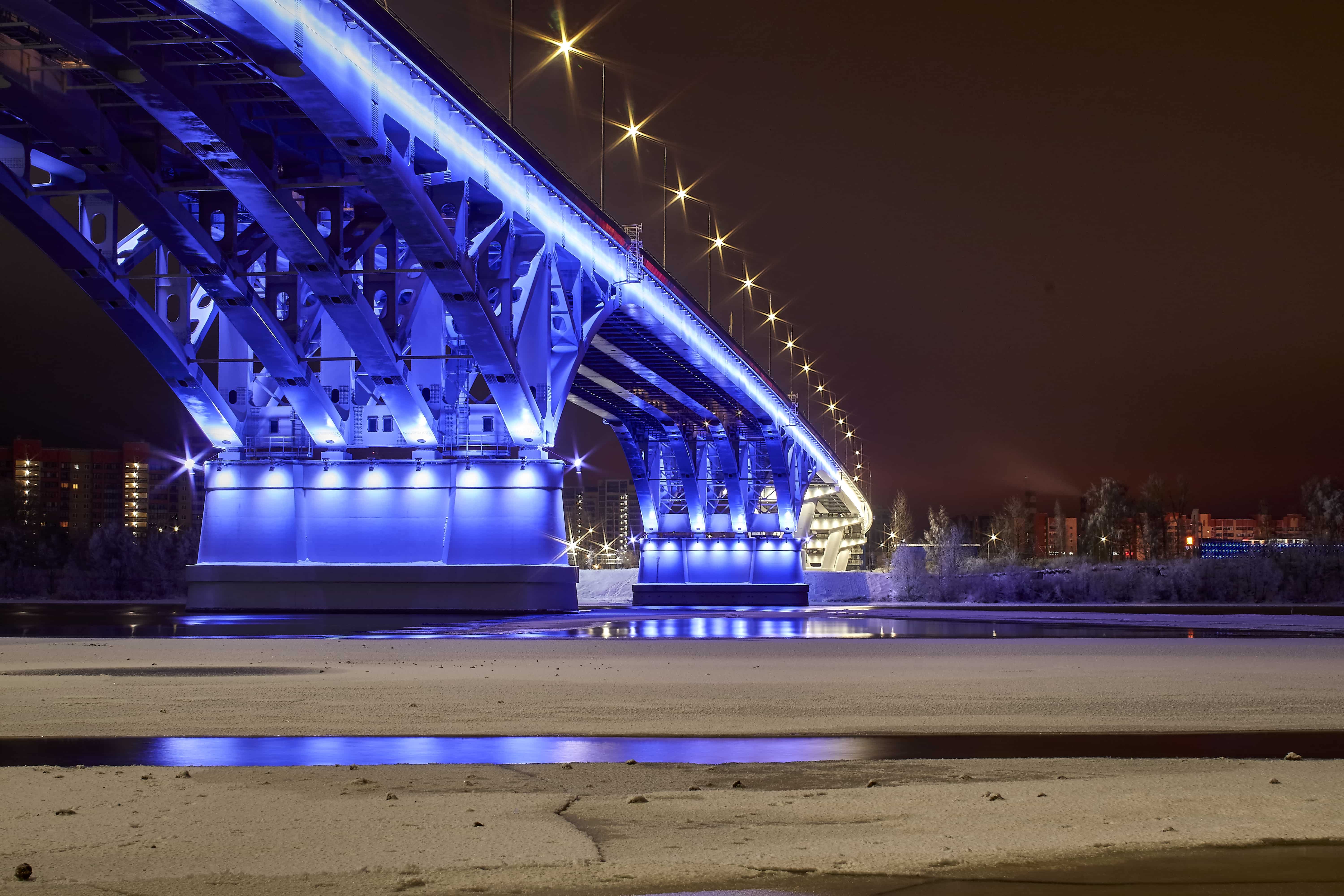
The volga river bridge
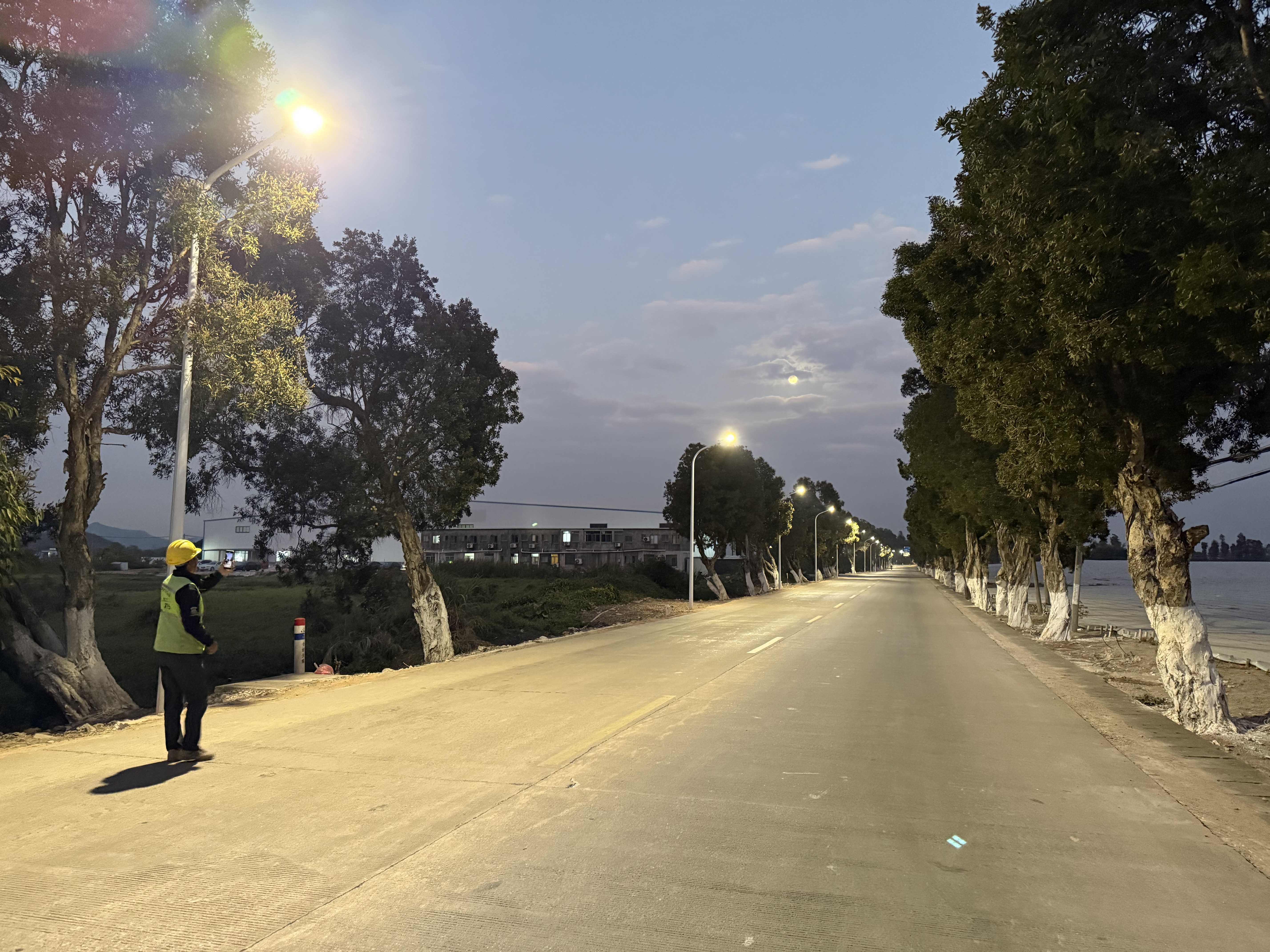
Road Lamp Project of Nanlang Village
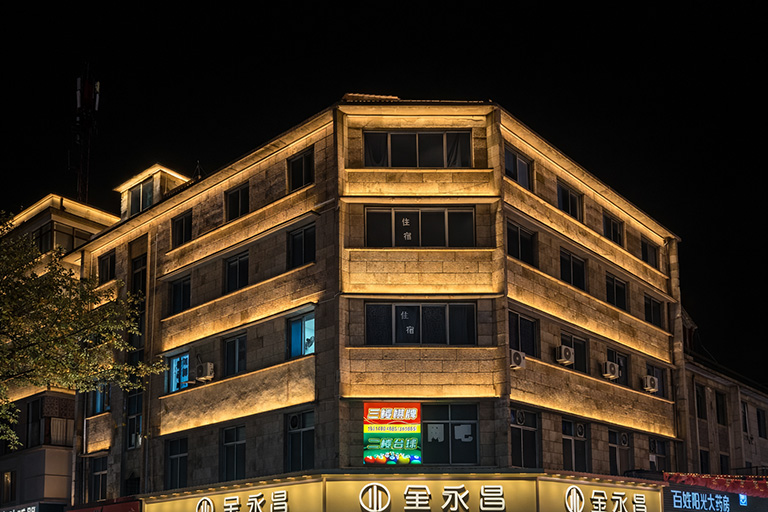
Kleanthis Vikelidis Stadium
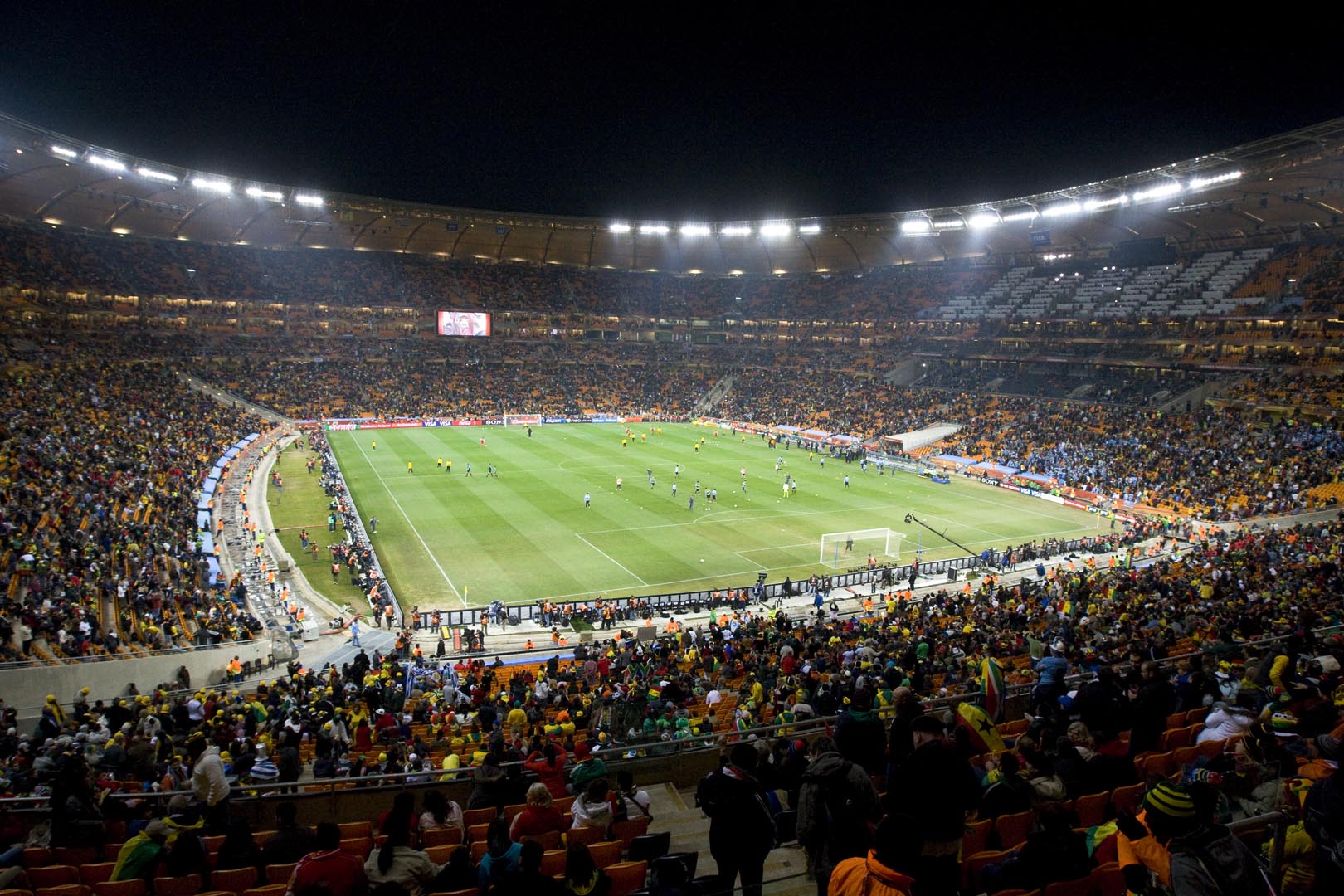
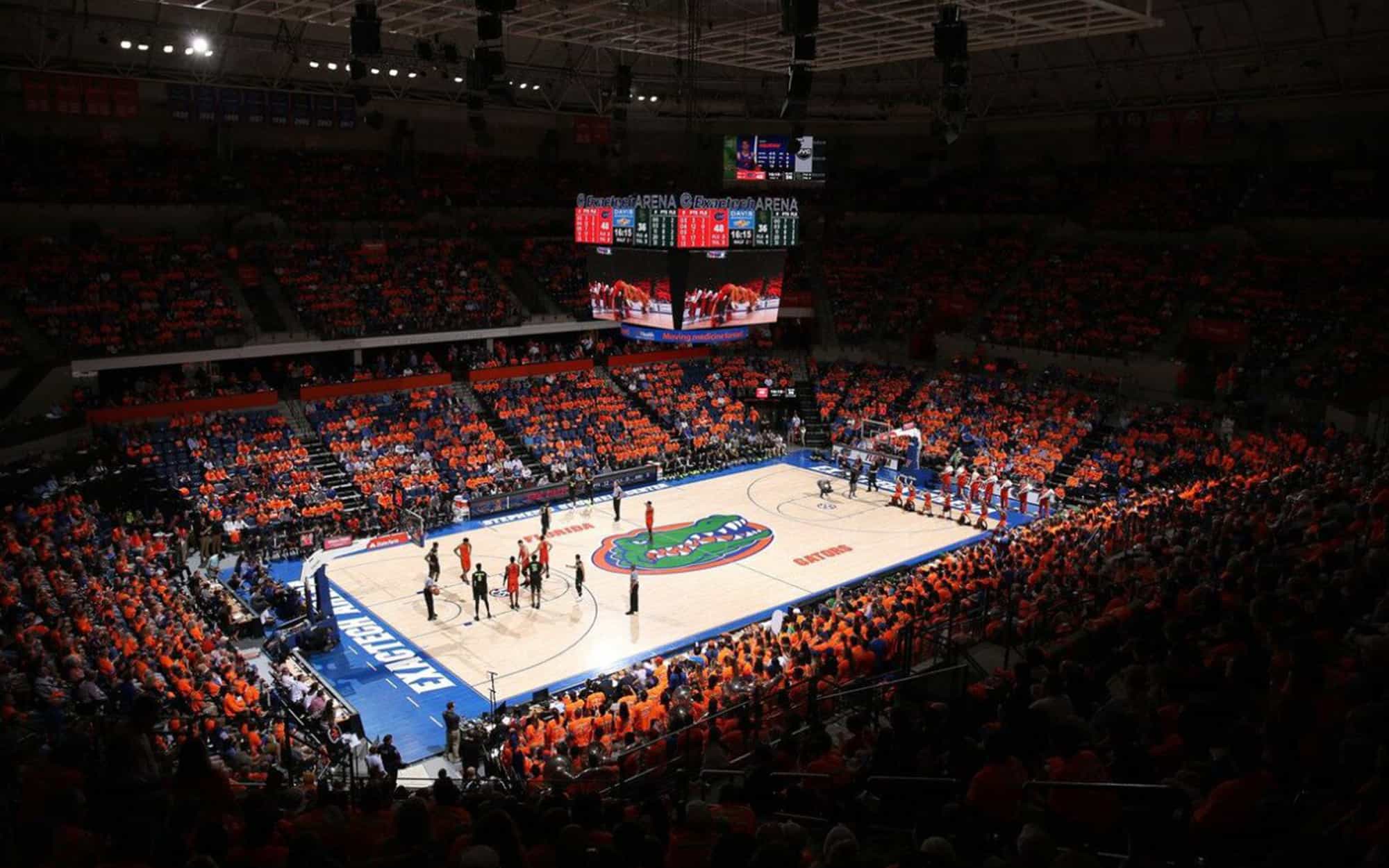
Florida Atlantic University

Shahid Nassiri Stadium
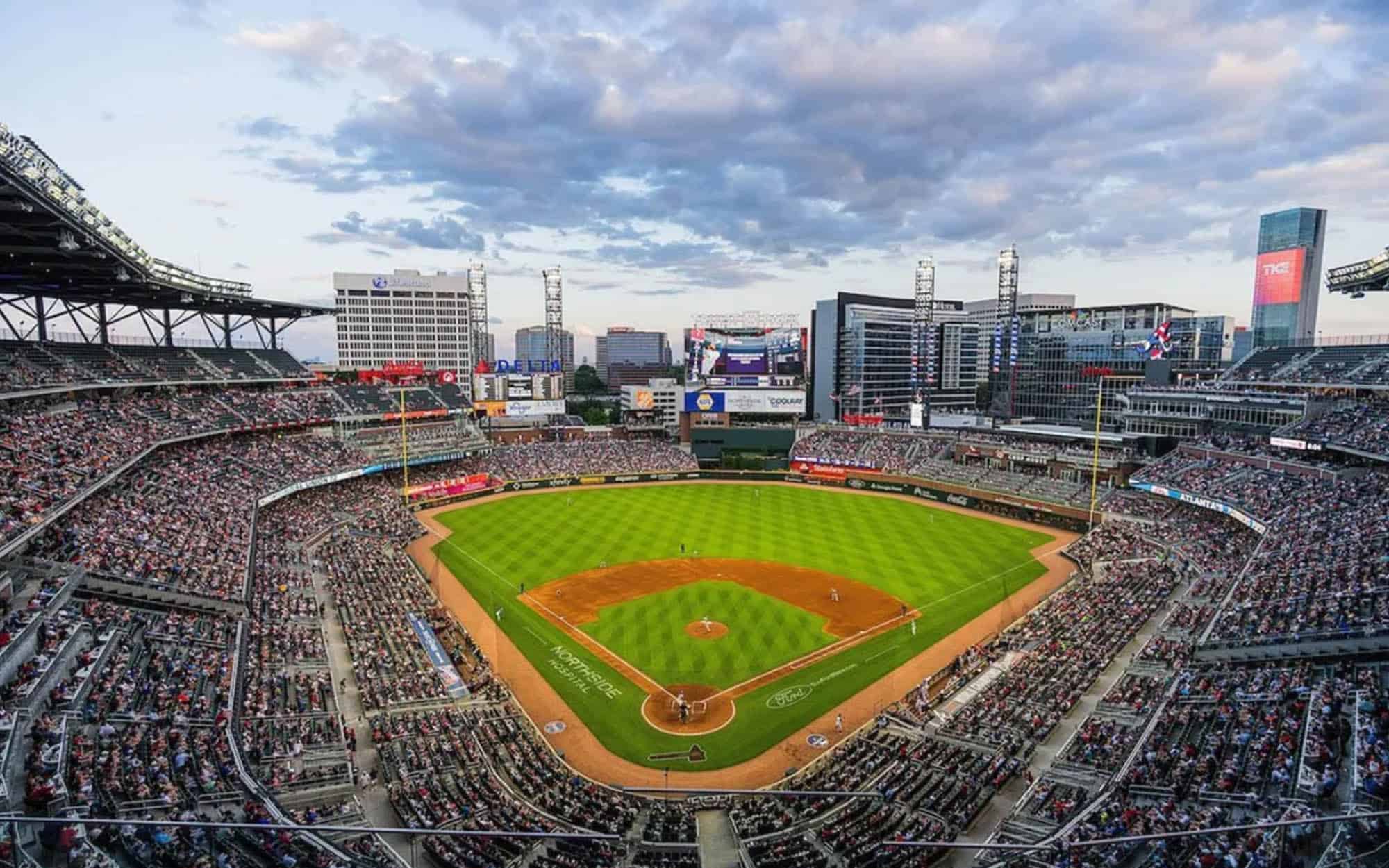
Rangers Ballpark
-

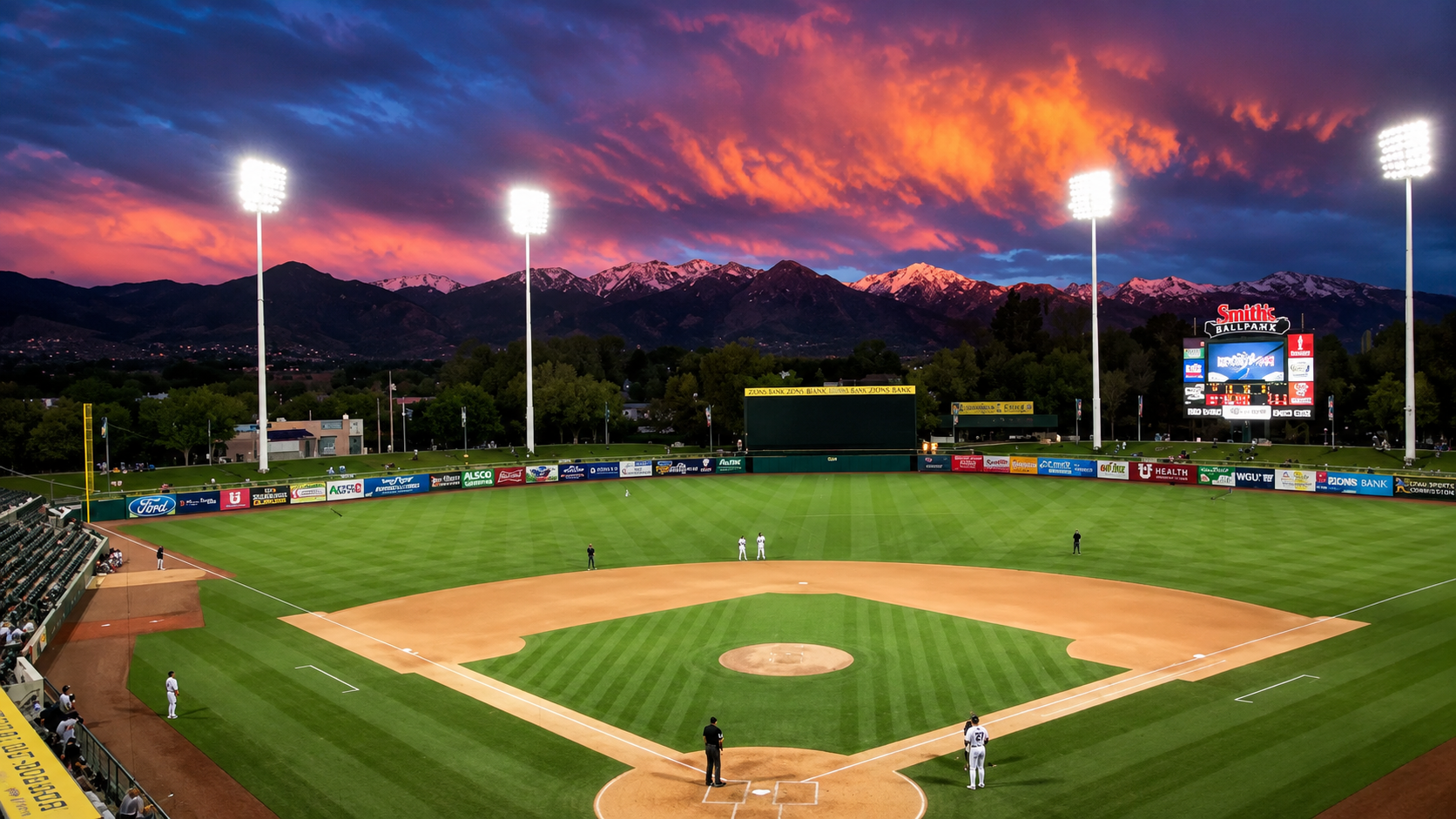
What the lighting actually has to deliver
A sports installation is judged on numbers, not on how bright it looks. Fixture choice is driven by the illuminance, uniformity, glare, color and flicker the sport and the cameras demand — and by how cleanly the system can be controlled and maintained.
Light is specified, not estimated. Horizontal illuminance (Eh) sets play visibility, vertical illuminance (Ev) toward each camera sets broadcast quality, uniformity (U0 ≥ 0.7) removes dark zones and hot spots, and glare is held to GR ≤ 50 so players and cameras are never blinded.
Color and flicker decide how it reads on camera. Broadcast needs a consistent 5500–5700 K across the field, high color rendering (Ra ≥ 90, strong R9, TLCI ≥ 85) and a stable driver that holds flicker to ≤ 1% — and to ≤ 0.3% for UHD super-slow-motion.
The system has to run clean and stay controllable. Efficient drivers and 10–20 kV surge protection defend uptime on tall masts, full-cutoff optics keep spill light and sky-glow down, and the fixtures speak the venue's control language — DMX-RDM, DALI or 0–10V — across game, broadcast, training and event scenes.

| Level / use | Reference standard | Horizontal Eh | Vertical Ev | CRI Ra |
|---|---|---|---|---|
| Training / recreational | EN 12193 Class III | 200–300 lx | — | ≥ 65 |
| Club / amateur match | EN 12193 Class II · IES RP-6 | 500 lx | — | ≥ 65 |
| National / professional | EN 12193 Class I · IES RP-6 | 750–1,000 lx | — | ≥ 80 |
| HD broadcast | FIFA / FIBA / league guides | 1,200–1,500 lx | ≥ 1,400 lx | ≥ 80 |
| 4K / UHD international | FIFA · World Athletics | 2,000+ lx | ≥ 2,000 lx | ≥ 90 |
Reference levels aligned to ANSI/IES RP-6 and EN 12193, with broadcast targets following FIFA, World Athletics and league guidelines. Final design targets — including uniformity U0 ≥ 0.7, glare GR ≤ 50 and flicker ≤ 1% (≤ 0.3% for UHD slow-motion) — follow the governing standard and venue brief.
Where sports projects succeed or fail
Uniformity across the field of play
Dark zones and hot spots are not acceptable in sports venues. Good design must control average, minimum and maximum values so players and cameras receive a stable visual environment.
Glare control for athletes and cameras
Sports fixtures have to deliver high output without creating direct glare into player sightlines or broadcast camera views. Optics, aiming angle and mounting position matter as much as raw wattage.
Certification for North American projects
For many USA and Canada projects, ETL or equivalent listing is part of the approval path. Certification must be considered early, not after the lighting layout is already fixed.
Maintenance access and long-term operation
Many stadium and arena fixtures are mounted high above the play surface. Product lifetime, driver stability and practical replacement planning directly affect total operating cost.
Outdoor football & field sports
Suitable for football fields, athletics tracks, rugby facilities and other outdoor venues where uniformity, aiming control and weather resistance are critical.
Common need: high-mast or perimeter-mounted layoutsIce arenas & indoor sports halls
Useful where ceiling height, glare control and broadcast visibility matter. RGBW modes can also support events between matches or multi-use programming.
Common need: stable white light plus event scene flexibilityMulti-purpose sports venues
For clients who need competition lighting and entertainment operation in one venue, the fixture and control system should be planned as one package from the start.
Common need: DMX-compatible event scenesWhat a TPK solution includes
TPK is the fixture manufacturer and the engineering partner behind it. Send us the venue, and we return a buildable, standard-compliant lighting design with the hardware to match — so you can quote and deliver without guesswork.
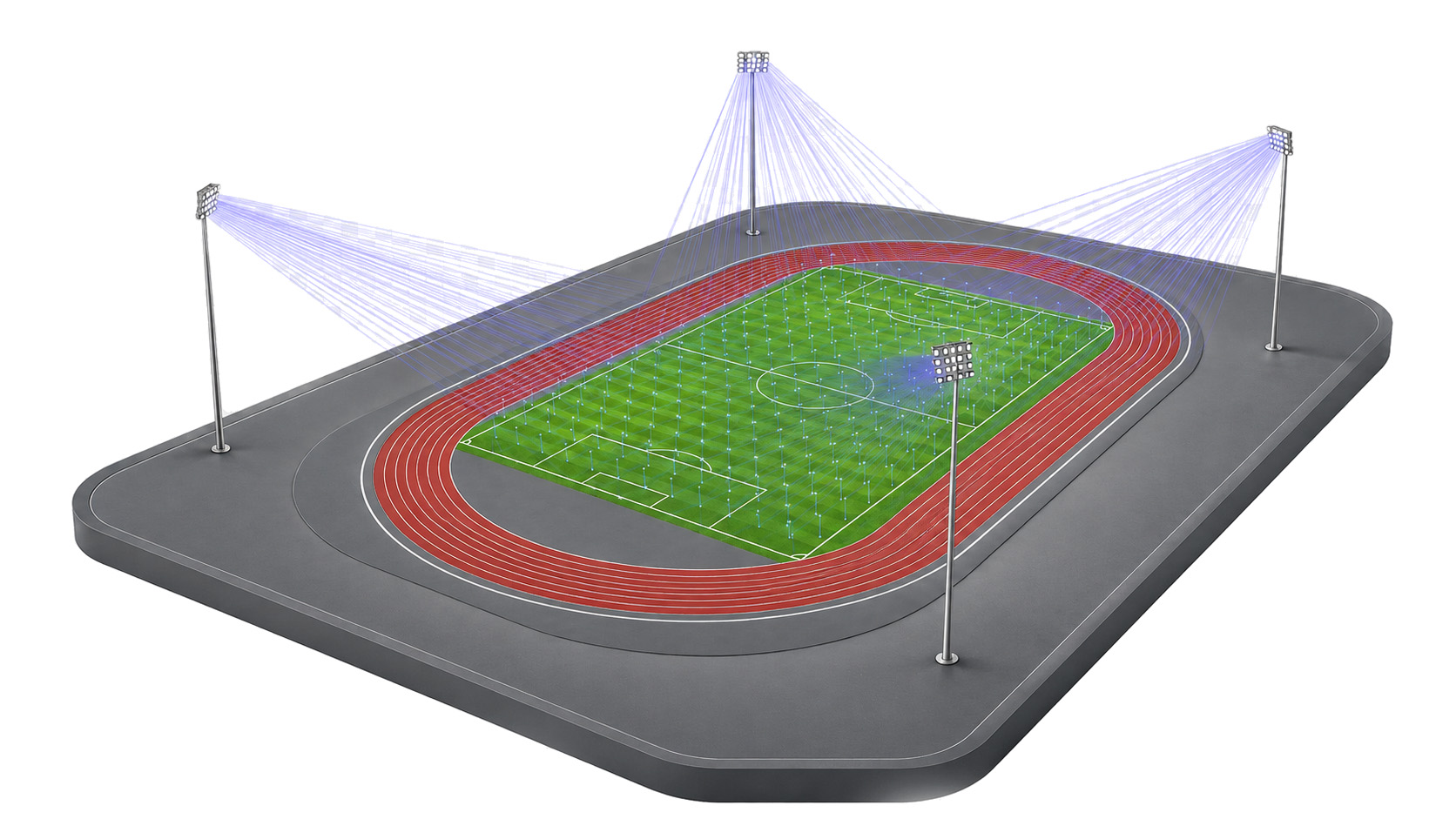
Photometric simulation (DIALux / AGI32)
Point-by-point horizontal and vertical illuminance, uniformity and glare, checked against your target class before anything ships.
Fixture selection & layout
The exact model, wattage and quantity for every mounting position, sized to your budget and structure.
Aiming & beam plan
Per-fixture aiming angles and beam optics from 10° to 90°, delivered as an installer-ready aiming schedule.
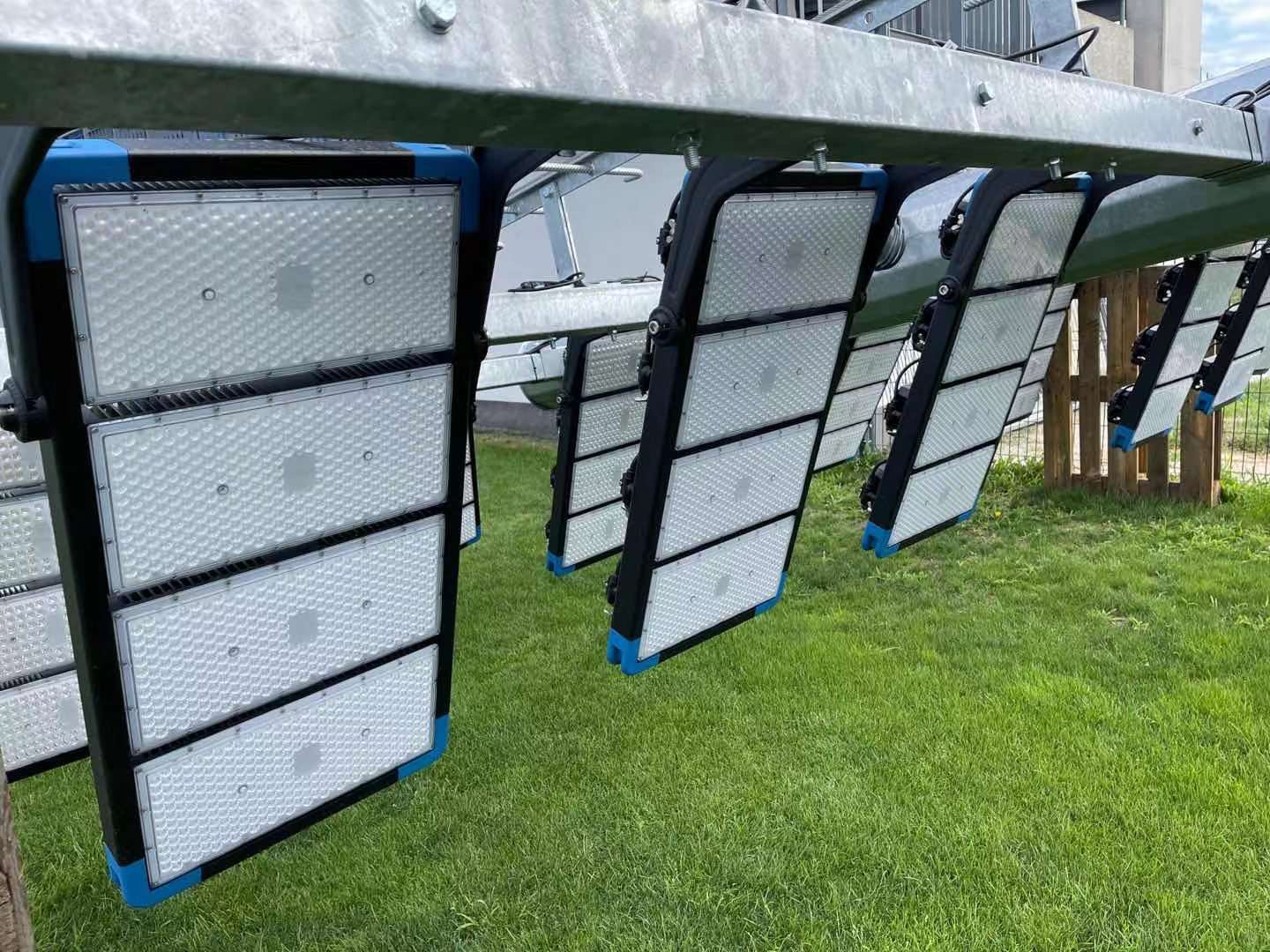
Optical & anti-glare accessories
Beam optics, visors and louvers to hold uniformity and keep glare (GR ≤ 50) and spill light under control.
Custom mounting brackets
We don't install, but we supply brackets matched to your pole or structure — custom-made where the project needs it.
RGBW & color scenes
RGBW fixtures for opening, half-time and event ambiance, running alongside competition-grade white light.
Control-ready, not locked in
Fixtures speak DMX-RDM, DALI and 0–10V and integrate with the venue's own control system. We don't sell the console — our luminaires work with the major international control platforms, and we support the integration.
Certification & documents
UL / ETL listing, DLC Premium, photometric reports and IES files — ready for approval and utility rebate submissions.
Retrofit & upgrade support
Replacing metal-halide or older LED? We match mounting, voltage and pole positions to the existing structure to cut install time and cost.
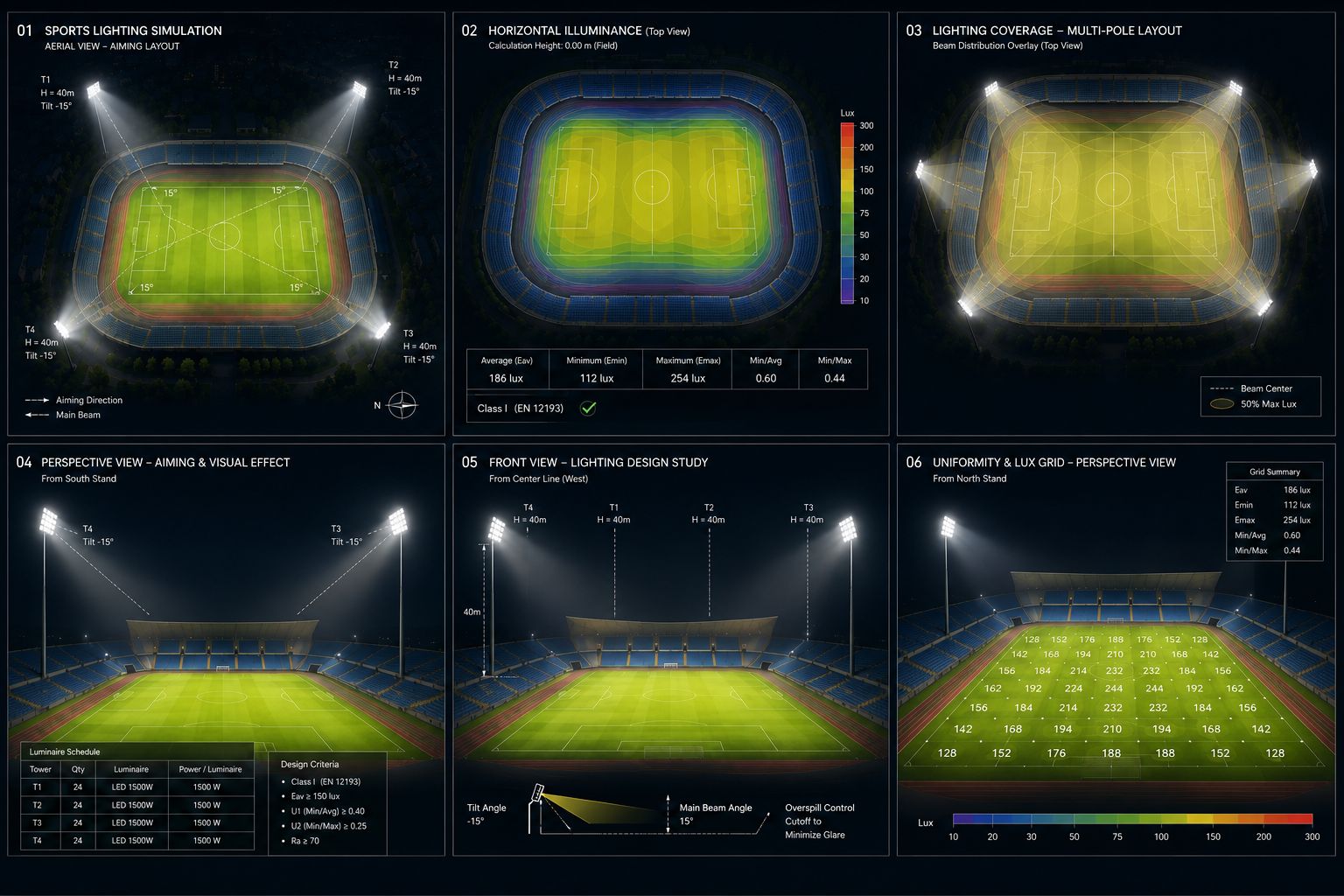
Multi-tier mast solutions
For outdoor poles carrying two or three fixture tiers, we define the beam angle, anti-glare accessory and mounting bracket for each tier — so every level lands light where the field needs it and keeps it out of players' and cameras' eyes.
From your site to a buildable aiming plan
Confirm the sport, level and broadcast target
Competition level, league requirement and broadcast expectation define the illuminance target, uniformity ratio, color rendering and glare limit.
Build the photometric layout before quotation
TPK can support fixture layout and simulation to check horizontal illuminance, vertical illuminance, aiming logic and overall compliance direction before final supply.
Match the fixture to certification and maintenance needs
For North American projects, ETL-listed stadium lights are prioritized. Product lifetime, installation height and service access are reviewed at the same time.
Plan control logic for competition and event modes
Where RGBW scenes are required, the DMX layout and basic operating logic should be defined early so the venue can switch between daily use and event mode cleanly.
Luminaires engineered for sport




Built, certified, supported
Full technical package on request: DIALux / AGI32 photometric layout, IES files, and UL / ETL / DLC Premium certificates. Per-model specifications and downloads are on each product page. Lead time and MOQ confirmed per project at quotation.
What we need to start
Send your project brief
A few details let us return a photometric layout, fixture schedule and aiming plan.
Photometric design is a paid engineering service, fully credited toward your order — it keeps our queue for serious projects and reflects the work our engineers put in.
- Site drawing or field dimensions
- Mounting height & pole / roof positions
- Sport & competition level
- Target standard or lighting class
- Broadcast requirement, if any
- Control & event needs (RGBW, scenes)
- Budget range
- Country / certification needs
Project references
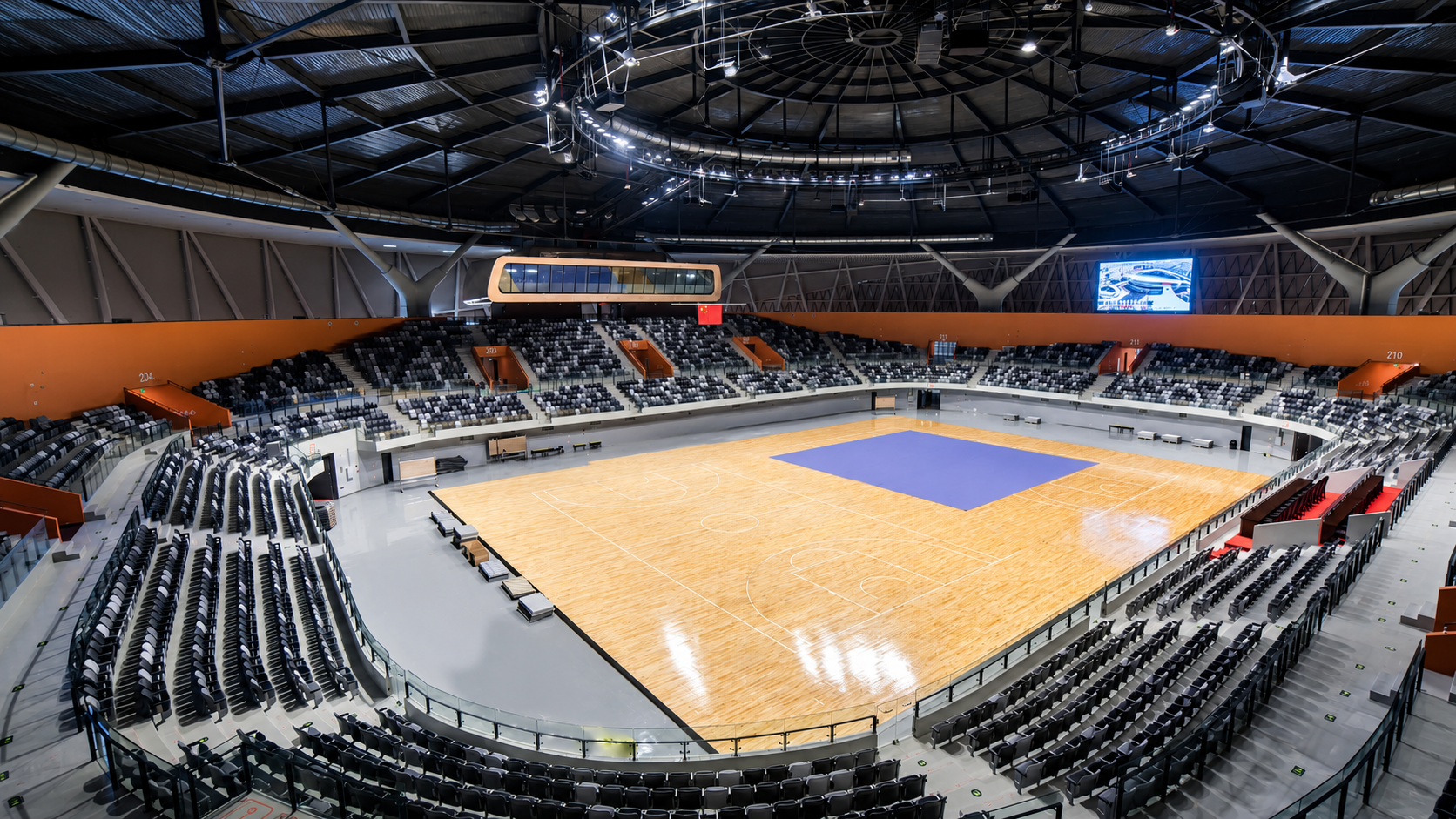
Zhaoqing New District Sports Center Arena
Indoor sports lighting for the main arena at Zhaoqing New District Sports Center, engineered on TPK's high-power STD-YXYSW6 floodlights from 500W to 800W. The layout reaches a 750 lux working level at a 5500K neutral-white color temperature for even, glare-controlled play and camera-friendly footage, with DMX dimming control to move between competition, training and event scenes.
Florida Atlantic University
Professional stadium lighting for university sports use, with practical performance planning for outdoor competition and venue operation.

Shahid Nassiri Stadium
Competition-oriented outdoor football stadium lighting demonstrating TPK's experience in larger-scale sports venue applications beyond decorative illumination.
Stadium Lighting FAQ
The required lux level depends on the sport, competition level and broadcast target. As a general reference, training facilities may use 200–300 lux, club competition around 500 lux, national competition 750–1,000 lux, HD broadcast 1,200–1,500 lux, and top international broadcast 2,000+ lux.
The final number should be confirmed against the applicable governing standard before the fixture count is finalized.
Sports lighting is different because it is performance-led rather than effect-led. The project must satisfy measurable field illumination, uniformity and glare targets for athletes and cameras, not just create an attractive appearance on the building or structure.
Yes. The SKYWING sports range is UL / ETL listed and DLC Premium qualified, which supports both code approval and utility rebate programs in the US and Canada. ETL and DLC documentation can be provided for technical review and approval preparation.
SKYWING sports fixtures carry a 5-year warranty and a rated service life of 50,000 hours, built on tier-1 Lumileds / Osram LEDs and Meanwell / Inventronics drivers. Surge protection of 10–20 kV is included to guard against switching and lightning transients on tall masts.
Yes, depending on the model. RGBW stadium fixtures such as the STD-YXYDF3A can support white sports lighting plus DMX-controlled color scenes for ceremonies, concerts or venue activations.
- Sport type and venue use
- Field or arena dimensions
- Mounting height and pole / ceiling layout
- Competition level or broadcast requirement
- Country and certification requirement
Have a sports project in review?
Share the venue size, sport type, mounting condition and target standard. TPK can help you review the lighting direction and recommend suitable ETL-certified models.