


DMX512 vs DALI vs 0-10V —
Choosing the Right Control Protocol
- 512 channels per universe
- RGBW individual fixture control
- Show programming capable
- Scalable with signal amplifiers
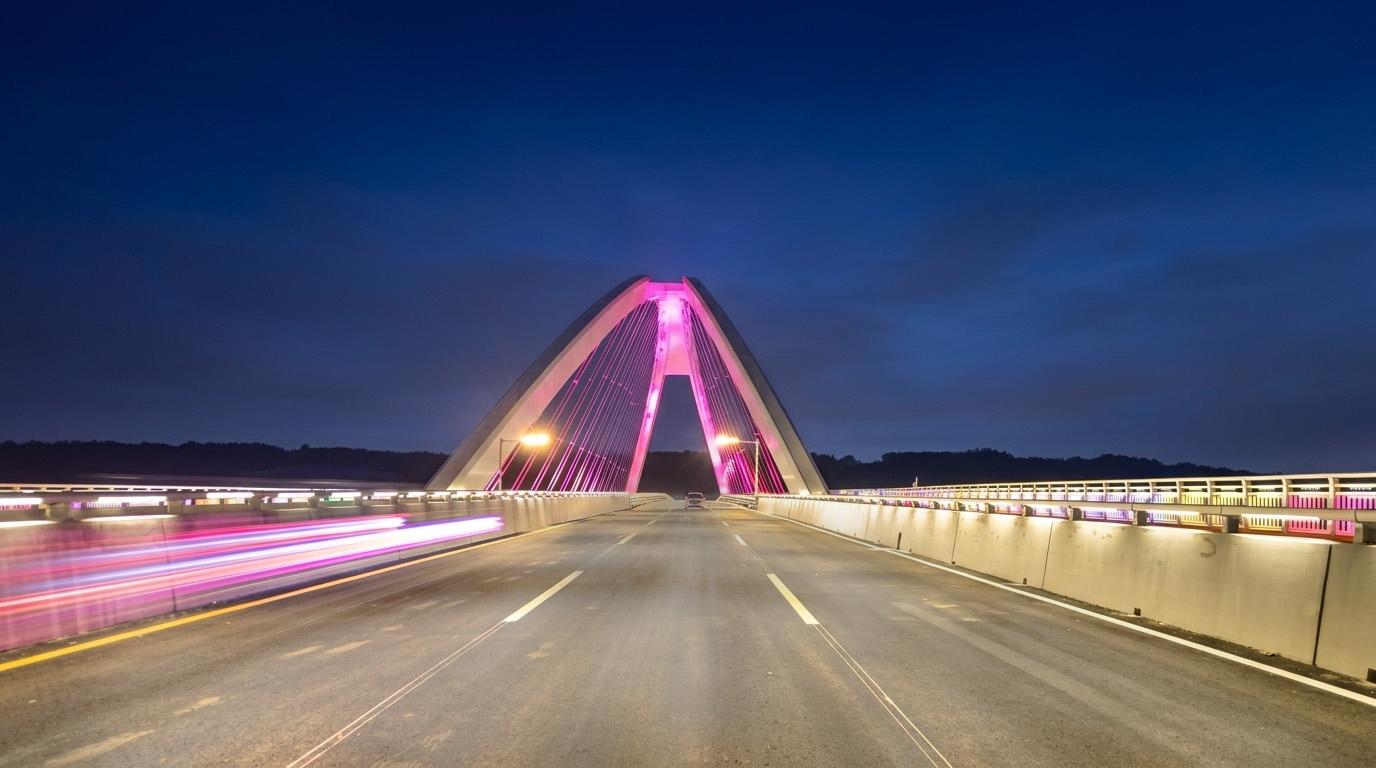
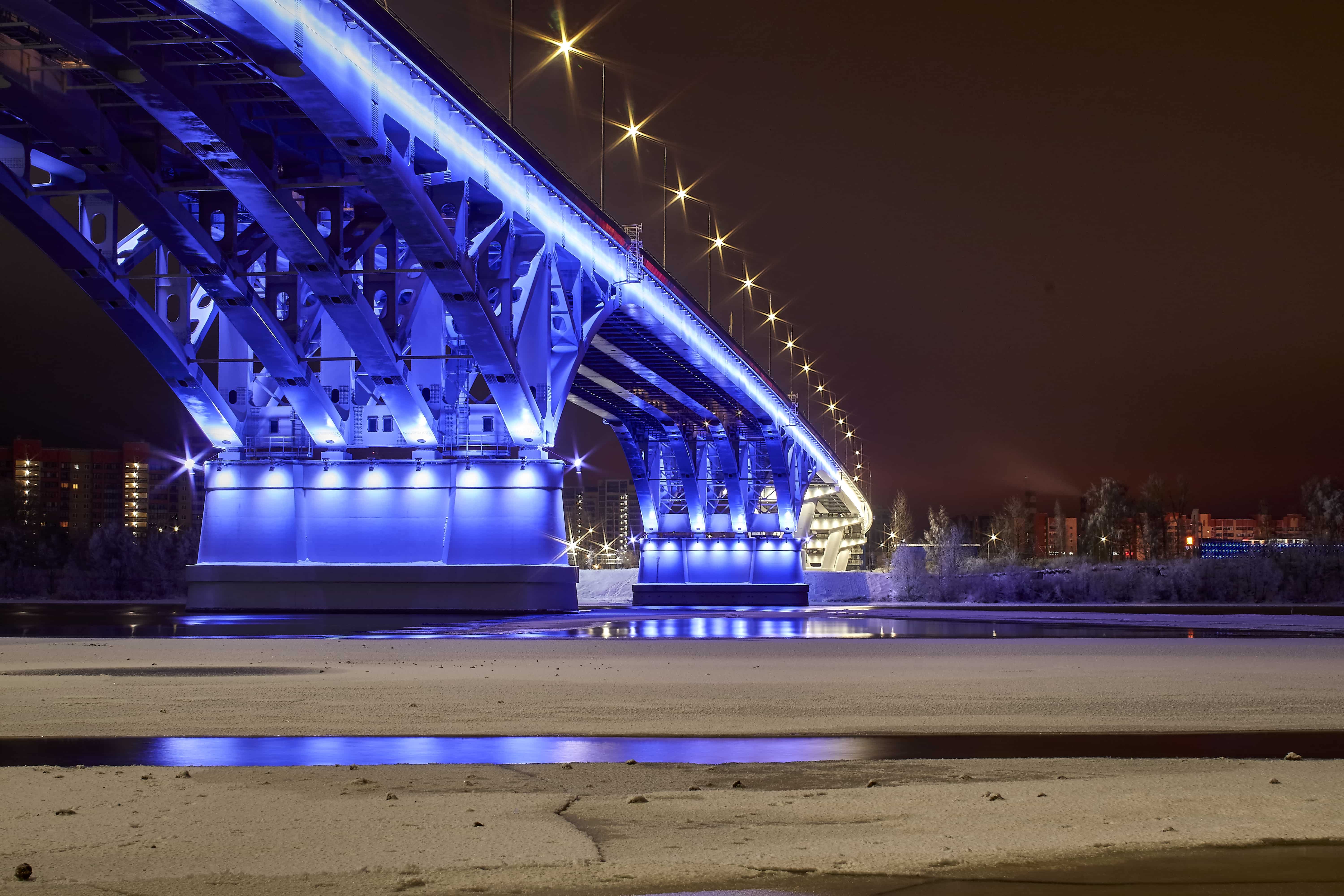
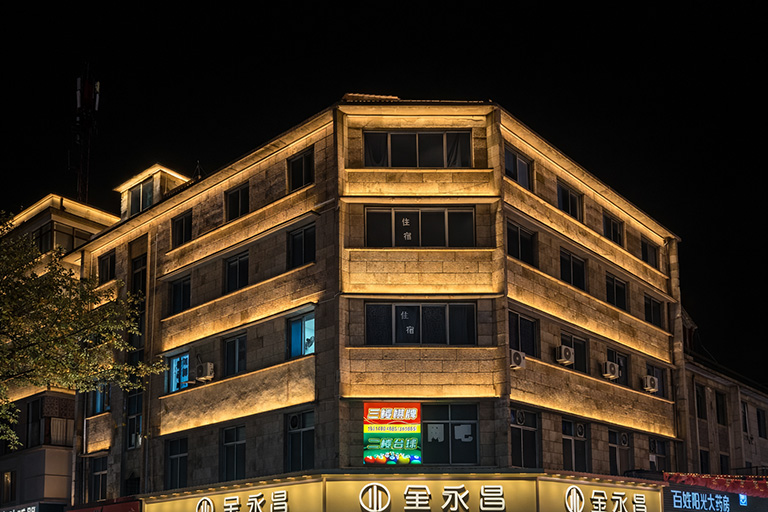
- Industry standard for facade/bridge
- Broad controller ecosystem
- 64 devices per line
- Bi-directional communication
- Fixture feedback & status
- BMS / BACnet integration
- Energy metering per fixture
- Limited colour control (DALI-2)
- Analogue voltage signal (0–10V)
- Single zone per cable pair
- White light dimming only
- No individual fixture address
- Low cost, easy to implement
- No RGBW capability
DMX512 — The Outdoor Architectural Standard
DMX512 was developed for theatrical lighting control and became the global standard for professional lighting systems. Its relevance to architectural lighting is straightforward: it is the only widely supported protocol that controls RGBW colour on a large scale.
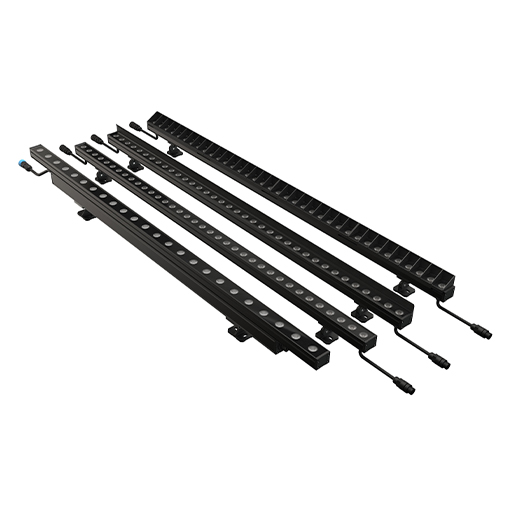
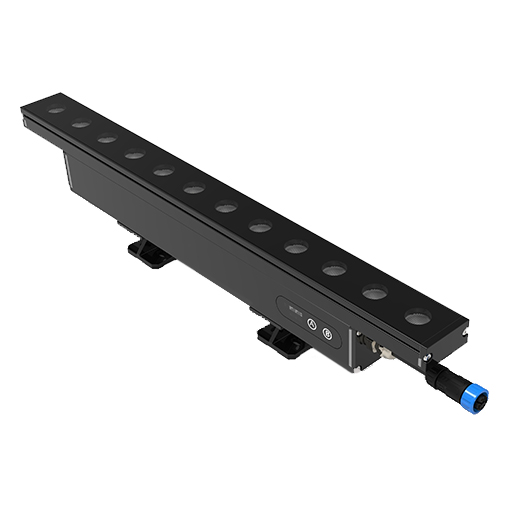
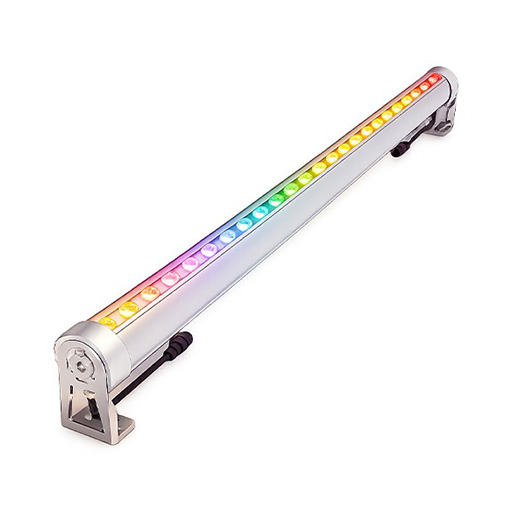
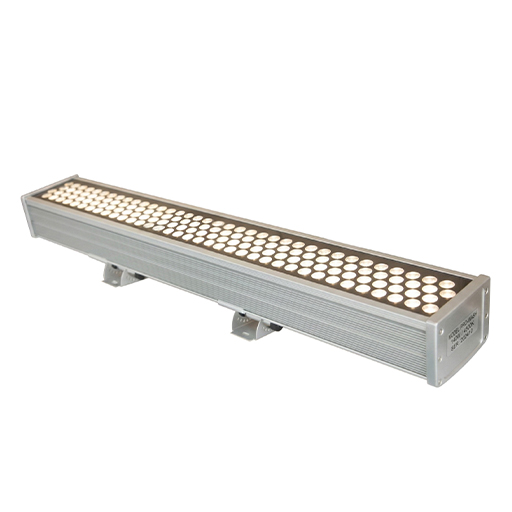
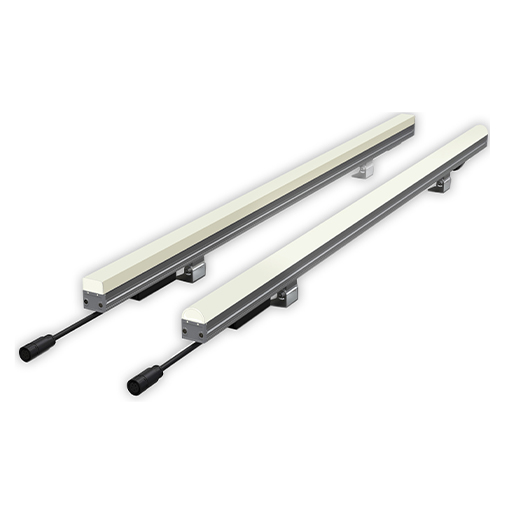
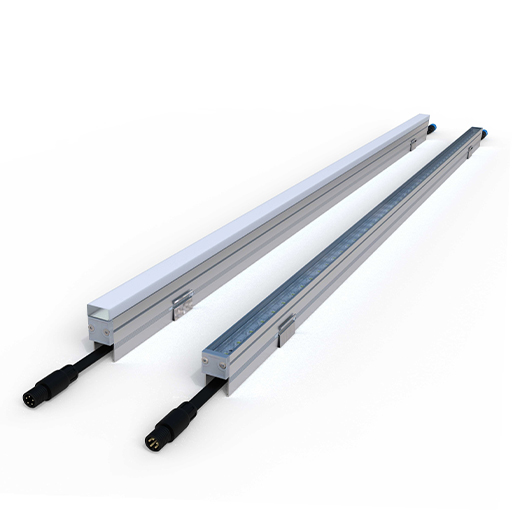
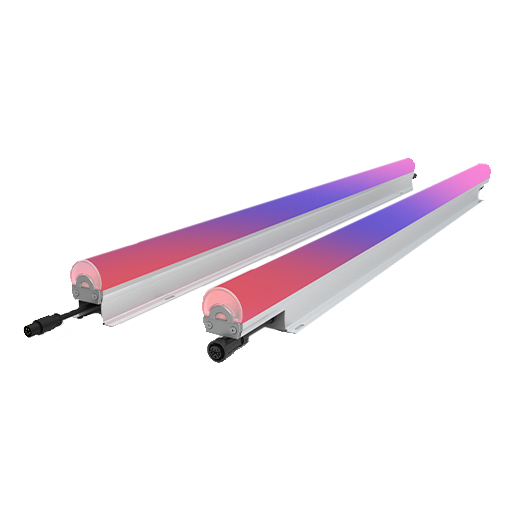
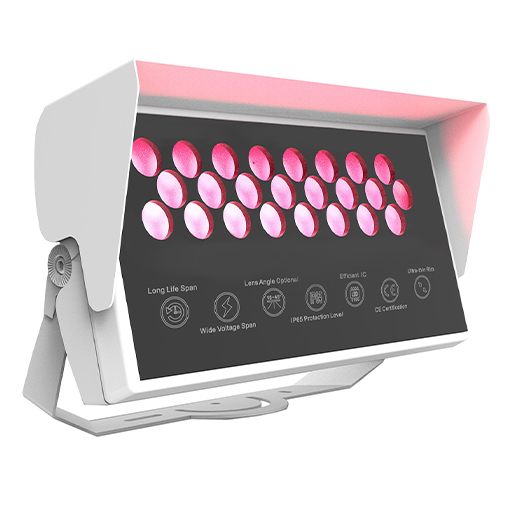
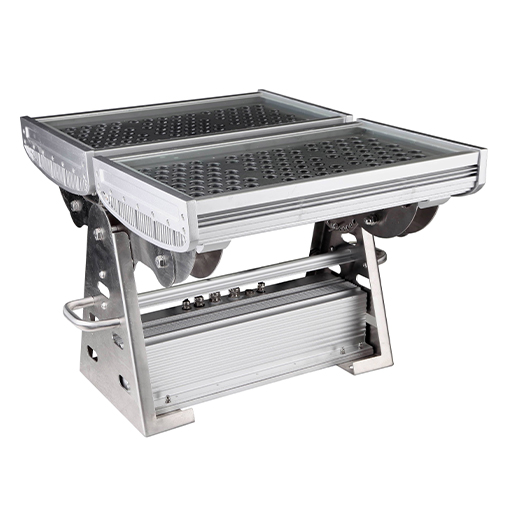
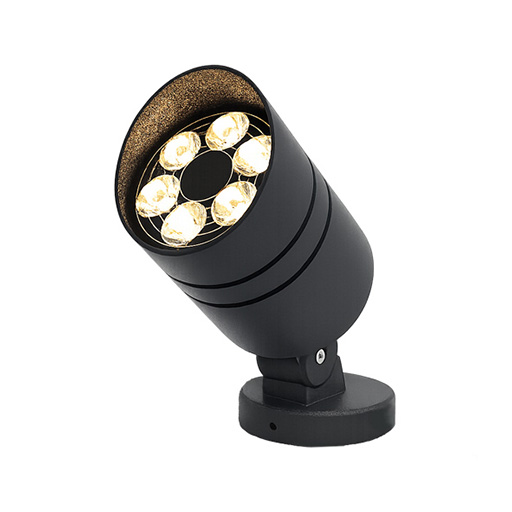
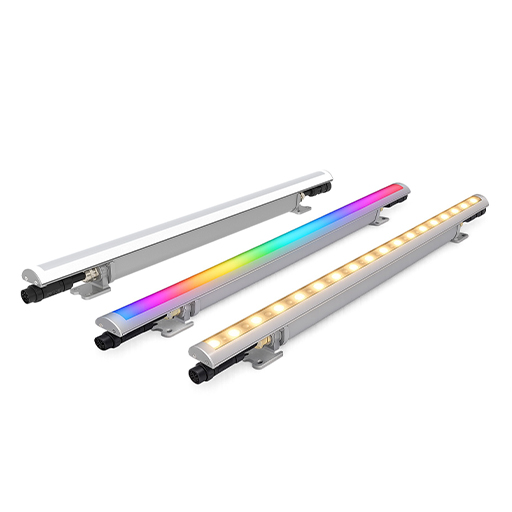
Every RGBW wall washer, linear light and spotlight TPK manufactures uses DMX512. Every professional facade lighting programmer in the market works with DMX512. Every lighting controller capable of running dynamic colour sequences supports DMX512. For outdoor colour architectural lighting, there is no practical alternative.
How DMX512 Works
DMX512 transmits 512 channels of data on a single cable at 250kbps. Each channel carries a value from 0 to 255 — typically representing the intensity of one colour channel in one fixture. A typical RGBW fixture uses 4 channels (Red, Green, Blue, White). One DMX512 universe therefore controls 128 RGBW fixtures.
For large installations — a 200-metre bridge, a large commercial facade — multiple universes are used. A DMX controller manages all universes from a central point and sends programming sequences to every fixture simultaneously.
(1 ch each)
(3 ch each)
(4 ch each) ★
(5 ch each)
DMX512 Cable Distance and Signal Amplifiers
The DMX512 standard specifies a maximum cable run of approximately 300 metres per universe before signal degradation risk increases. For long bridge spans or large building facades where cable runs exceed this distance, DMX512 signal amplifiers (also called repeaters or boosters) are installed at intervals to regenerate the signal.
TPK supplies DMX512 signal amplifiers as part of complete system packages for large-scale projects. The amplifier count and positioning are calculated as part of the project system design — provided as part of TPK's engineering consultation service at no additional charge.
DALI — When Building Intelligence Matters More Than Colour
DALI (Digital Addressable Lighting Interface) is the standard for intelligent building lighting control. It differs from DMX512 in one fundamental way: DALI is bi-directional. A DALI fixture can report back its status, fault condition and energy consumption to the controller. DMX512 is one-directional — the controller sends data to the fixture, and the fixture has no way to respond.
This feedback capability makes DALI the preferred choice for building interiors where energy management, fault monitoring and BMS (Building Management System) integration are priorities. It makes DALI less relevant for outdoor architectural colour lighting where the primary requirement is dynamic colour programming rather than energy reporting.
0-10V — When Simplicity Is the Right Answer
0-10V is an analogue dimming protocol — a simple voltage signal between 0 and 10 volts that controls the output of one LED driver. At 0V, the fixture is at minimum output. At 10V, it is at full output. It is simple, inexpensive and reliable.
0-10V has two significant limitations for architectural lighting: it controls only brightness, not colour (no RGBW capability), and it controls only one zone per cable pair (no individual fixture addressing). For any project requiring colour control or independent zone programming, 0-10V is not sufficient.
Full Protocol Comparison
| Feature | DMX512 | DALI | 0-10V |
|---|---|---|---|
| Individual fixture address | ✓ | ✓ | ✗ |
| RGBW colour control | ✓ | Partial (DALI-2) | ✗ |
| Show / scene programming | ✓ | Limited | ✗ |
| Fixture status feedback | ✗ | ✓ | ✗ |
| BMS / BACnet integration | Via gateway | ✓ | ✗ |
| Max fixtures per cable | 512 ch / universe | 64 devices | 1 zone |
| Max cable distance | ~300m (with amplifiers: unlimited) | ~300m | ~100m |
| Outdoor architectural use | ✓ Standard | Possible | Simple only |
| System cost | Medium | Medium–High | Low |
Which Protocol Does TPK Use?
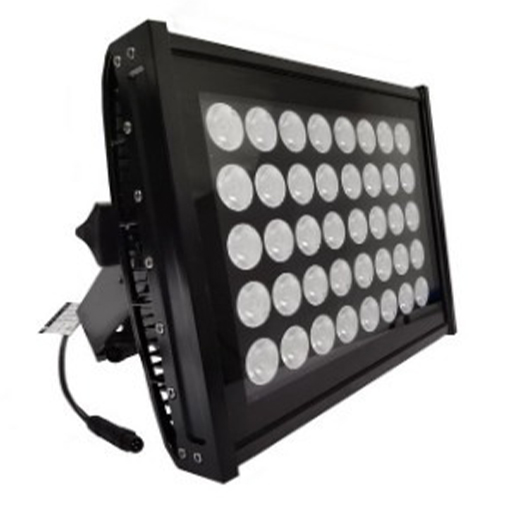
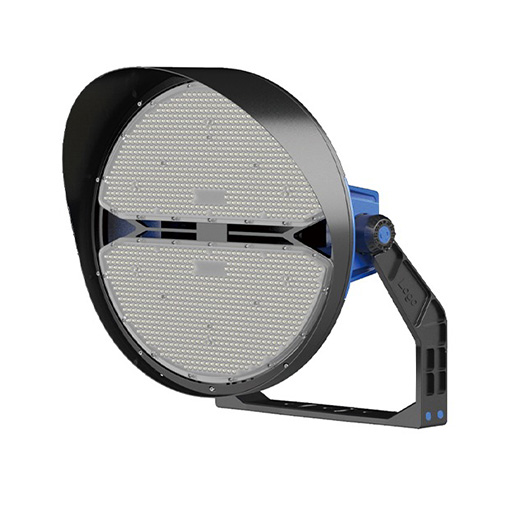
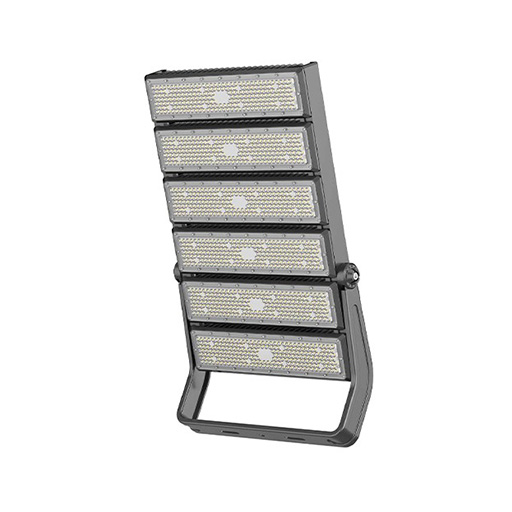
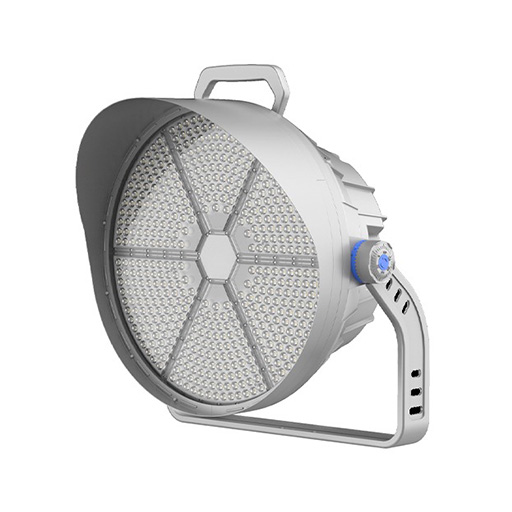
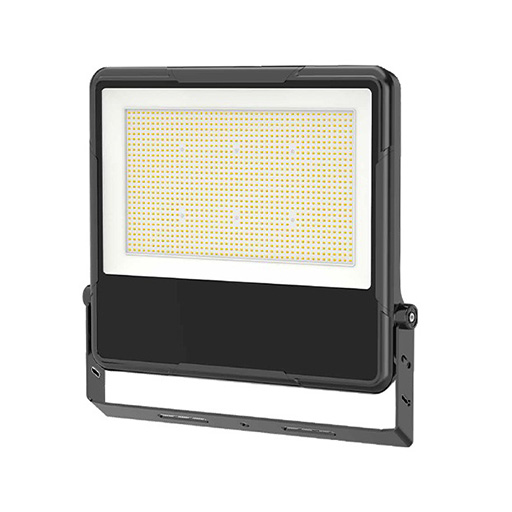
All TPK RGBW outdoor products — wall washers, linear lights, spotlights and stadium lights — are DMX512 compatible as standard. Static white products support 0-10V dimming. DALI versions are available on request for specific project requirements.
For complete DMX512 system design — universe layout, signal amplifier positioning, controller selection, wiring diagrams and programming documentation — TPK provides this as part of the project engineering consultation service. Contact our team with your project dimensions and fixture count.
DMX512 Control Questions
Related guides: IP65 vs IP67 vs IP68 — Which Outdoor Rating Do You Need? · How to Choose an LED Wall Washer for Facade Lighting