


IP65 vs IP67 vs IP68 —
Which Rating Do You Actually Need?
What the IP Code Actually Means
The IP (Ingress Protection) code is defined by IEC 60529. It has two digits: the first rates protection against solid particles (dust), the second rates protection against water. For outdoor lighting, the water digit is the critical specification.
The first digit is almost always 6 for outdoor architectural fixtures — meaning fully dust-tight. No dust enters regardless of exposure duration. Any fixture rated IP65, IP67 or IP68 has the same dust protection. The difference is entirely in the second digit.
| Rating | Water Protection | Outdoor Facade | Bridge / Infrastructure | Coastal / Marine | Water Feature |
|---|---|---|---|---|---|
| IP65 | Water jets from any direction (nozzle) | Sheltered only | ✗ | ✗ | ✗ |
| IP67 | Immersion to 1m for 30 min | ✓ Recommended | ✓ Recommended | ✓ + marine coating | Splash zone only |
| IP68 | Continuous immersion (depth per spec) | Not required | Below waterline only | Splash + submersion | ✓ Required |
IP65 — When Is It Enough?
IP65 survives water jets projected from a nozzle in any direction. In practice, this means direct rain and garden hose spray — but not the sustained water pressure of a building facade cleaning machine, not road spray from passing vehicles, and not any scenario where water might pool around the fixture.
IP65 is appropriate only for fixtures mounted in genuinely sheltered positions — under a deep soffit, inside a recessed architectural reveal, or in a protected internal courtyard with no direct rain exposure. For anything exposed to the outdoor environment, IP65 carries meaningful failure risk over a five-year installation period.
IP67 — The Correct Default for Outdoor Architectural Work
IP67 means the fixture can be immersed in water to 1 metre depth for 30 minutes without water entering the housing. In practical outdoor architectural terms, this covers:
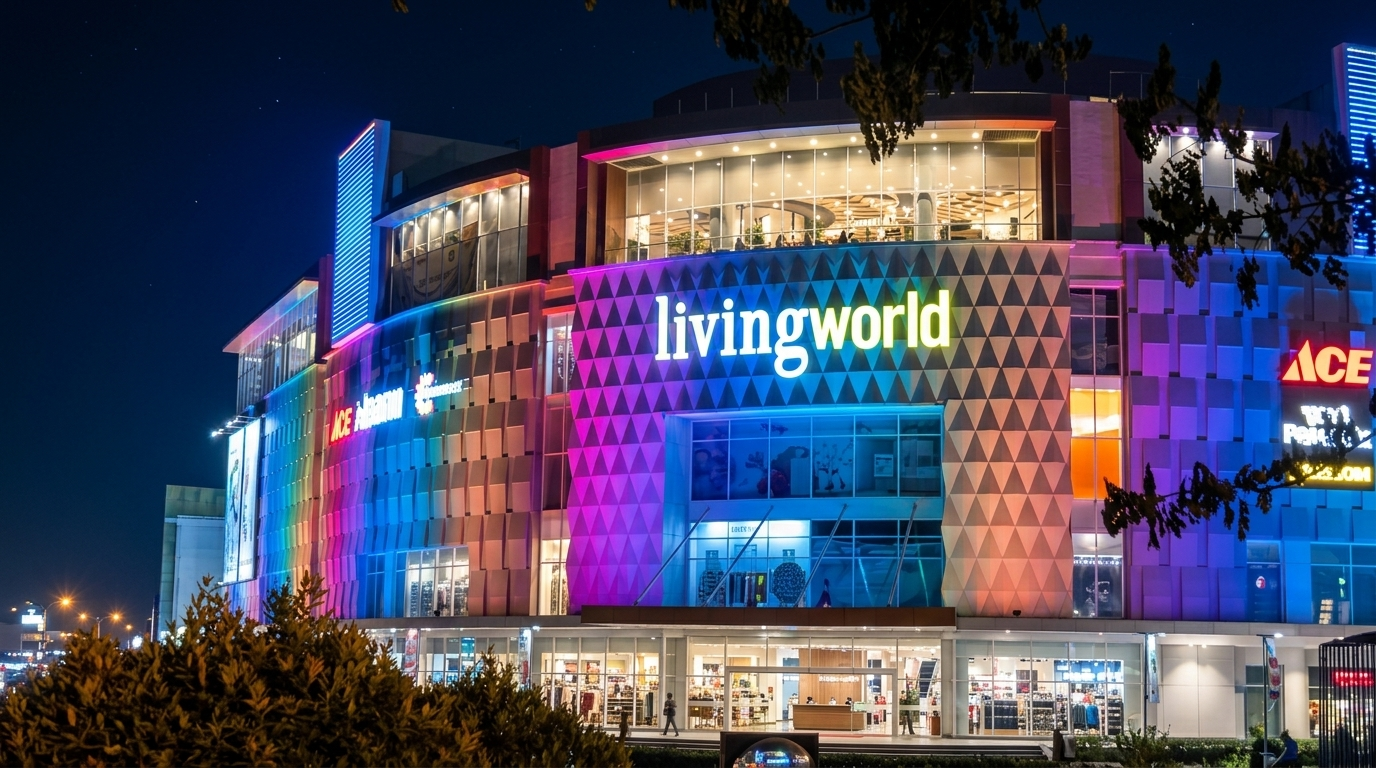
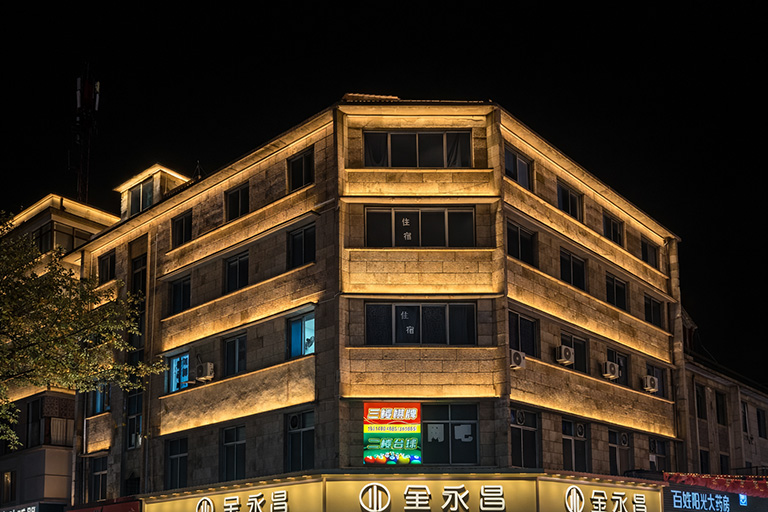
Building facades: Heavy rain, typhoon-condition wind-driven rain, high-pressure cleaning jets during facade maintenance, and winter ice formation that melts into water pooling around the fixture mounting point.
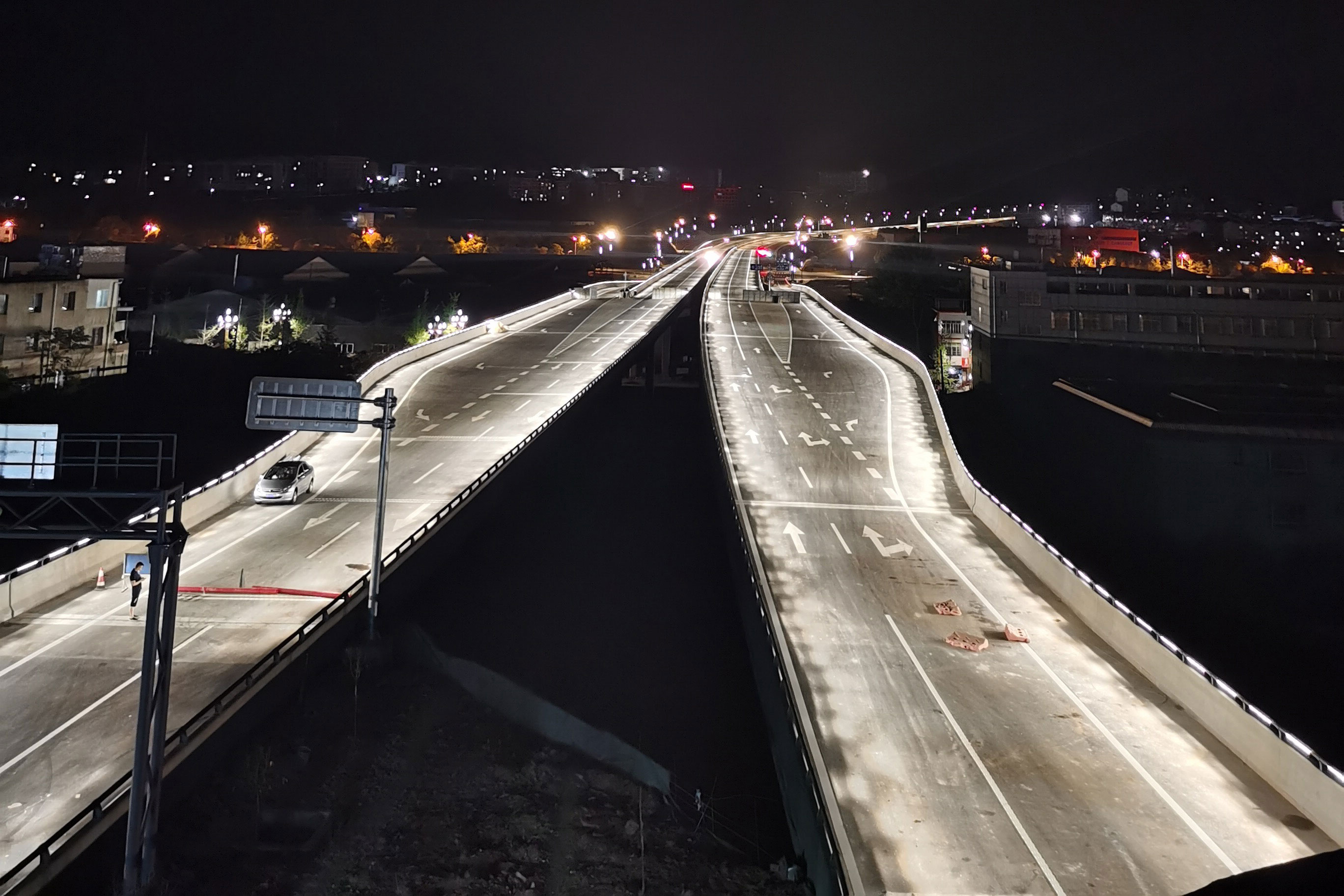
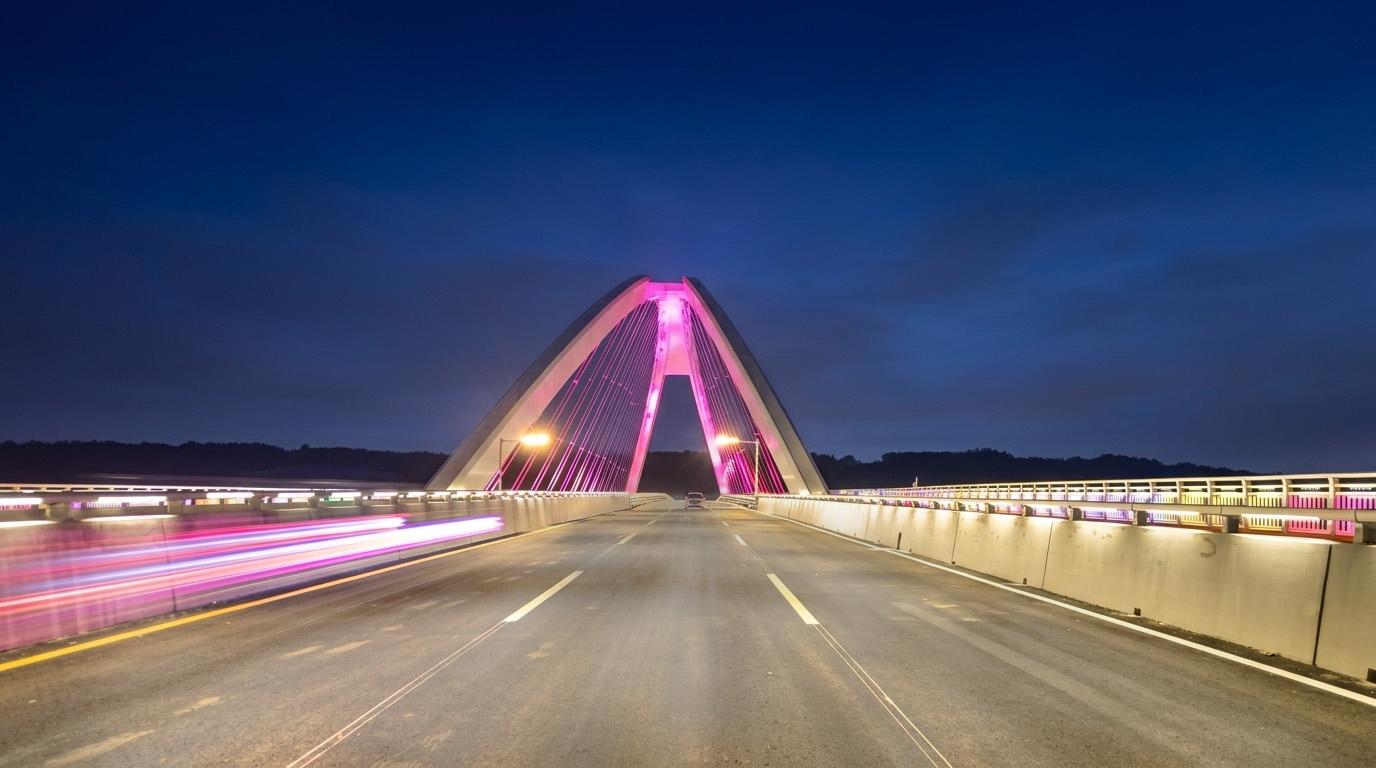
Bridges: Road vehicle spray, river mist, flooding of the bridge deck area and any water that tracks along the structural elements toward the fixture positions.
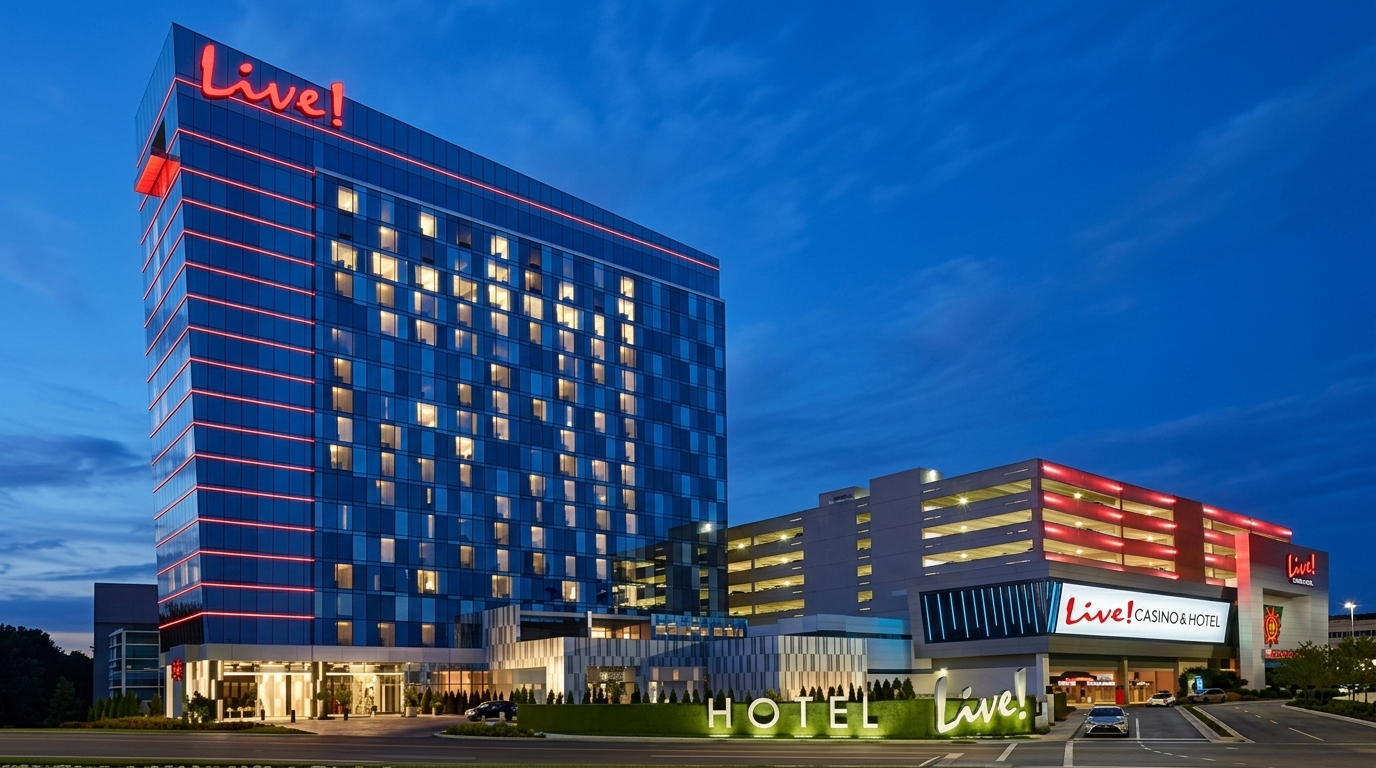
Hotel and resort landscape: Tropical monsoon rainfall, garden irrigation overspray and the general high-humidity environment of outdoor hospitality spaces.
IP68 — When Submersion Is a Real Risk
IP68 specifies continuous submersion beyond the IP67 limit. The exact depth and duration are defined by the manufacturer — there is no single IP68 standard, so you must check the manufacturer's specification. A fixture rated IP68 (3m / 4h) is very different from one rated IP68 (0.5m / continuous).
Specify IP68 for:
In-ground fixtures in flood-prone areas: Recessed in-ground luminaires in urban plazas or riverside walkways where flooding is a regular seasonal occurrence.
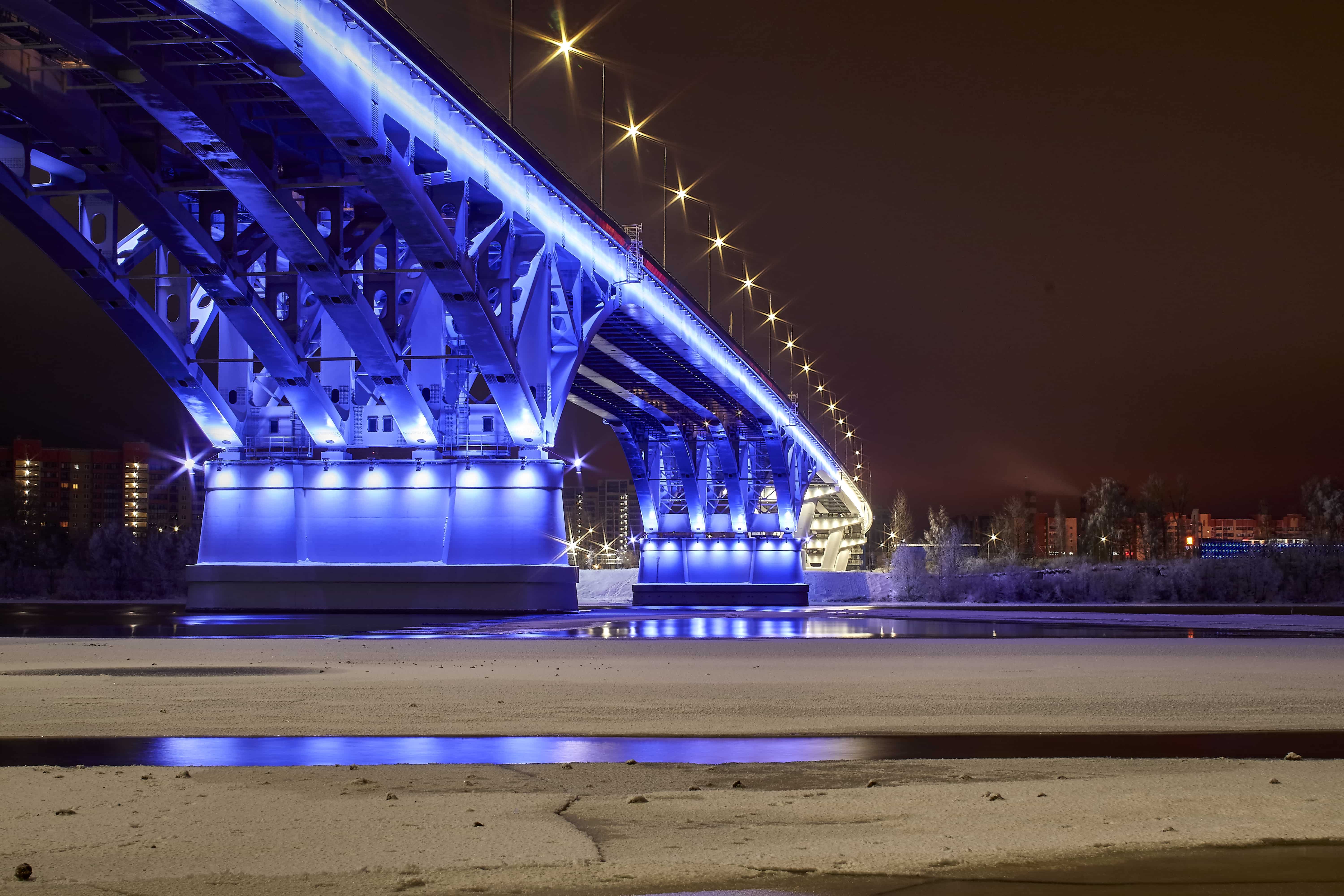
Below-waterline bridge illumination: Fixtures mounted on bridge piers or abutments below the normal water level of the river or channel.
Fountain and pool lighting: Any fixture designed to operate while submerged. Pool edge lighting, fountain feature lighting and underwater wall illumination all require IP68 with a manufacturer-specified submersion depth that exceeds the application depth.
Coastal and Marine Environments — IP Is Not the Whole Answer
This is the most common specification mistake in coastal architectural lighting projects. IP67 handles the water exposure — the rain, spray and flooding. But in coastal and marine environments, the greater long-term risk is salt air corrosion, not water ingress through the seal.
Salt air corrodes untreated aluminium housing, compromises standard anodised surfaces, attacks standard stainless steel fasteners and degrades seal quality over time — even without any water actually entering through the IP seal itself.
For coastal projects, IP67 fixtures must also specify:
Marine-grade aluminium surface treatment — beyond standard powder coat, typically a dedicated marine anti-corrosion treatment that maintains integrity in salt air.
316-grade stainless steel fasteners — not 304 grade, which corrodes in coastal environments over 2–3 years.
UV-stabilised gasket material — standard EPDM seals degrade in high UV coastal environments, compromising the IP seal even without direct water contact.
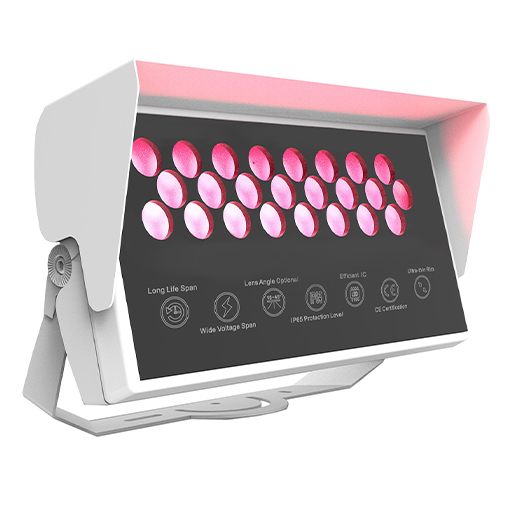
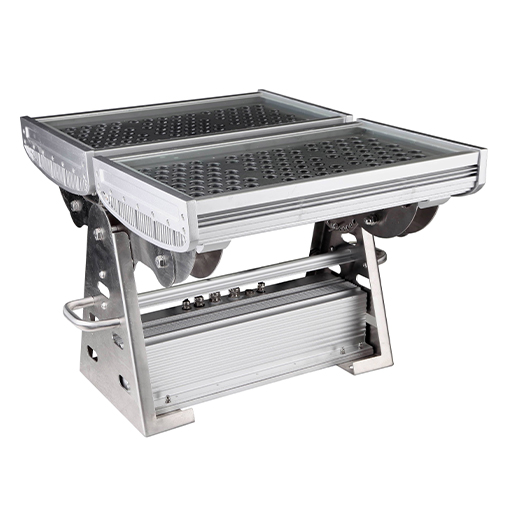
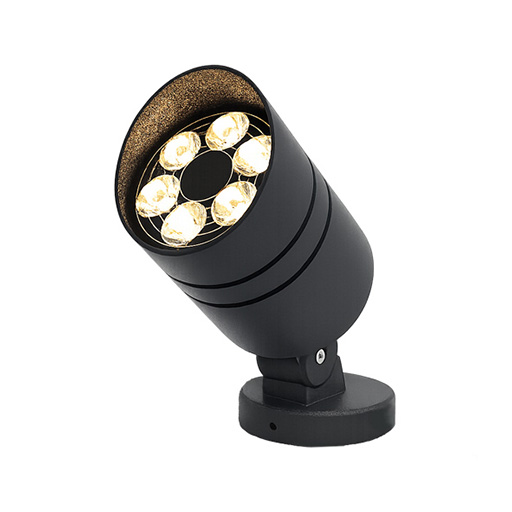
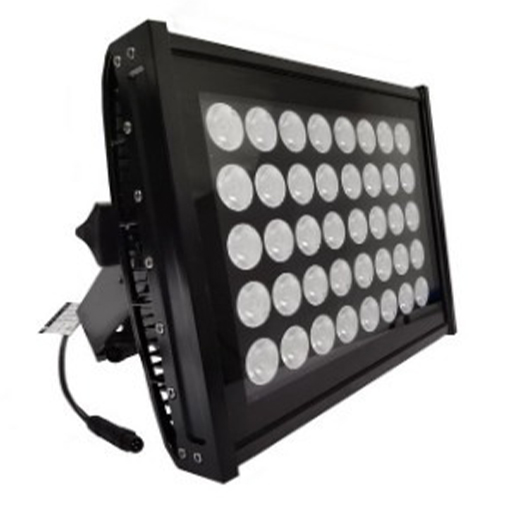
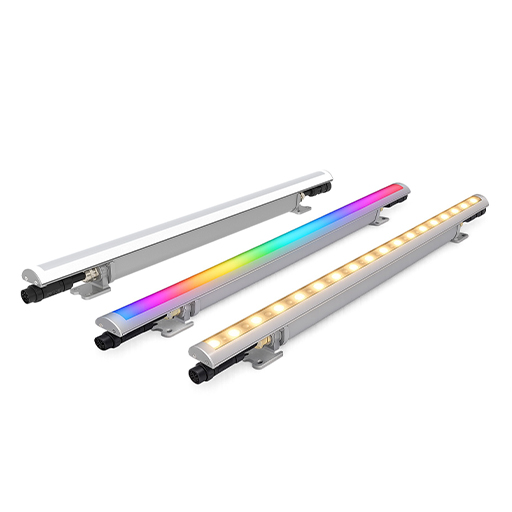
TPK's outdoor wall washer and spotlight series are available with marine-grade corrosion protection options for coastal and riverside environments. Contact our team to confirm which products are specified for your climate conditions.
IP Rating Questions Answered
Related guides: DMX512 vs DALI vs 0-10V — Choosing the Right Control Protocol · How to Choose an LED Wall Washer for Facade Lighting