


How to Choose an LED Wall Washer
for Facade Lighting
The Five Decisions
A wall washer specification requires five independent decisions that interact with each other. Getting them in the right order matters — the decisions are not independent.
Decision 1 — Mounting Distance Comes First
The most important starting question is not "how many watts" — it is "where can I mount the fixture?". Mounting distance drives beam angle selection, which drives wattage. Starting with wattage leads to the wrong specification almost every time.
Available mounting positions depend on the building's architecture: parapet width, window mullion depth, soffit projection, podium ledge width or ground-level setback. Map the available mounting positions before selecting any fixture parameter.
Decision 2 — Beam Angle
Once mounting distance is established, beam angle selection follows a straightforward rule: the further from the wall, the narrower the beam. A narrow beam concentrates light — necessary at longer distances to maintain adequate illuminance. A wide beam spreads light — appropriate at short distances for even coverage without hotspots.
| Mounting Distance | Recommended Beam | Wall Coverage Height | Typical Application |
|---|---|---|---|
| 0.3–0.8m | 40°–60° | Up to ~4m | Retail frontage, heritage texture, podium level |
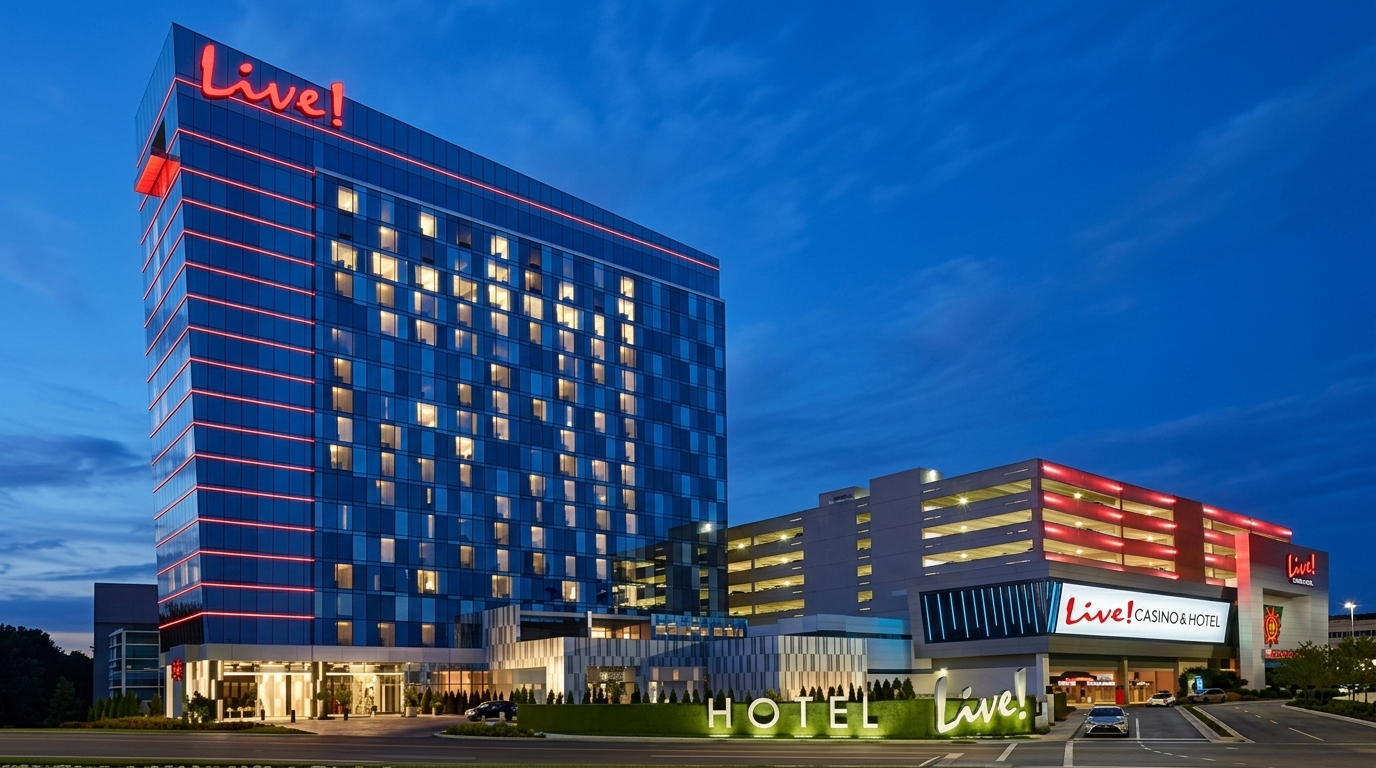
| 0.5–1.5m ★ Most common | 25°–40° | Up to ~10m | Hotel facade, commercial building, mixed-use |
| 1.0–2.5m | 15°–25° | Up to ~15m | Large commercial facade, longer parapet setback |
| Above 2.5m | 10°–15° | Above 15m | Switch to architectural spotlight |
Decision 3 — Wattage
Wattage determines the luminous flux — the total light output. At a fixed beam angle, higher wattage produces higher illuminance (lux) on the wall surface. At a fixed wattage, a narrower beam concentrates the same output over a smaller area, increasing illuminance — while a wider beam spreads the same output, reducing illuminance per square metre.
For most architectural facade applications, target illuminance is 50–150 lux on the wall surface. This is enough to make the facade visually prominent at night without the over-lit, harsh appearance of commercial floodlighting. Premium hotels and heritage buildings typically specify 30–80 lux for a more refined, atmospheric result.
| Mounting Distance | Wattage Range | TPK Recommendation |
|---|---|---|
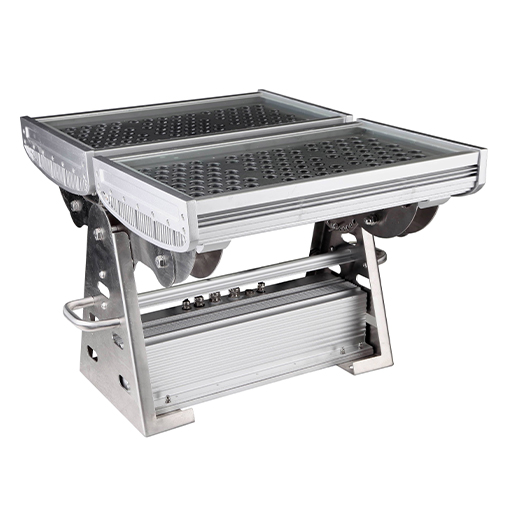
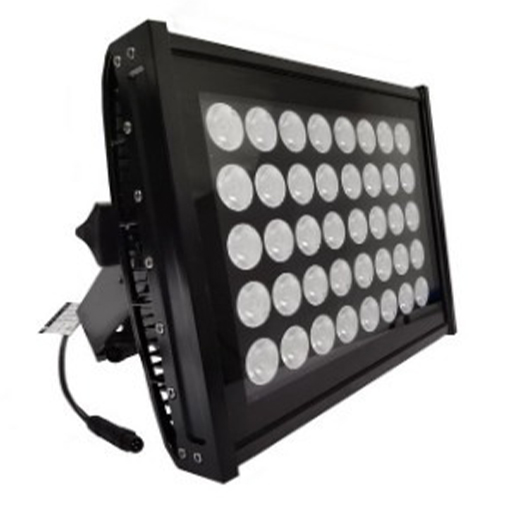
| 0.3–0.8m | 18W–38W | LWW-PZT-W38A (38W) |
| 0.5–1.5m ★ | 38W–55W | LWW-PZT-W38A / LWW-WZB-W55 |
| 1.0–2.5m | 55W–80W | LWW-WZB-W55 / LWW-OP-D80 |
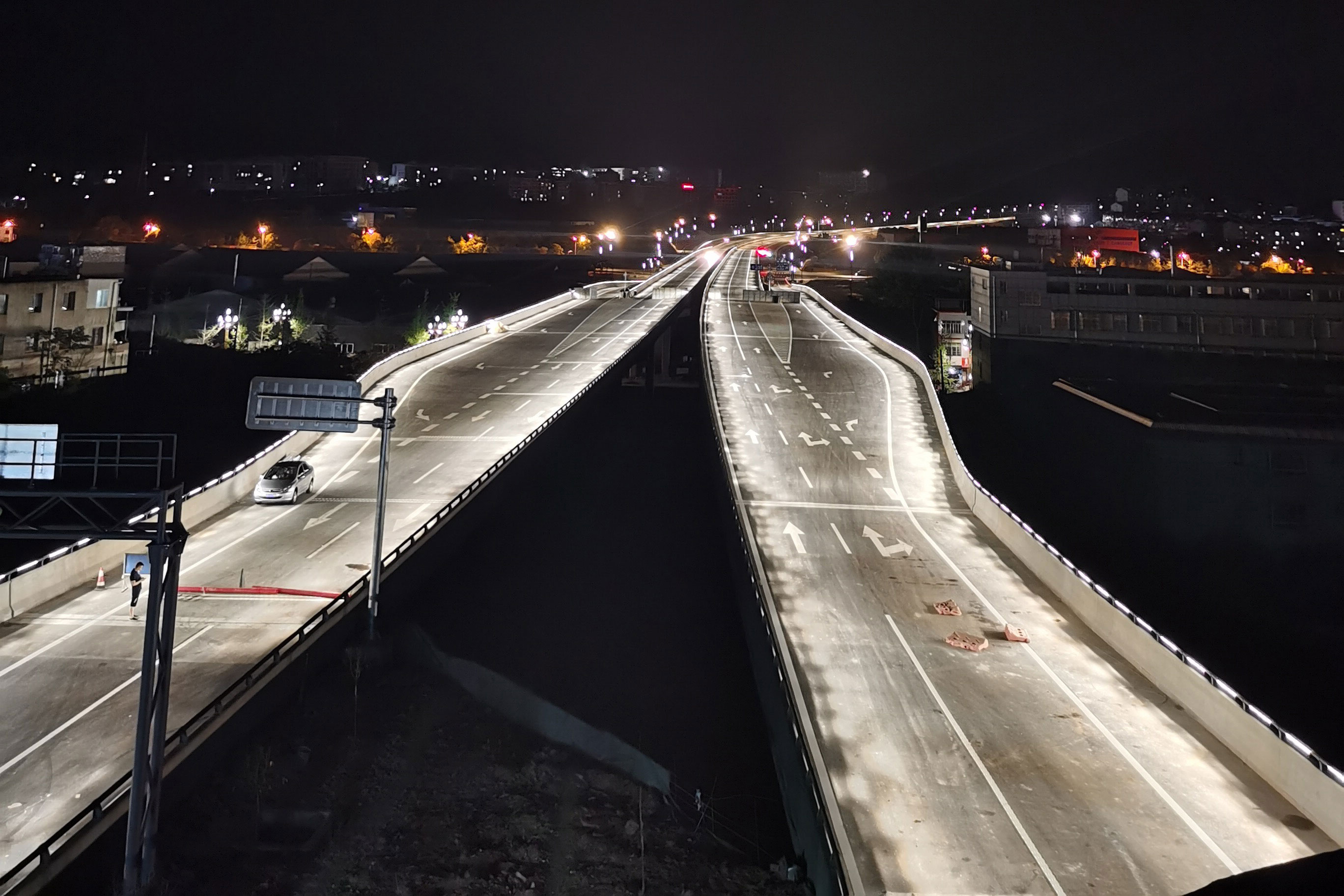
| Large scale / bridge | 80W–150W | LWW-OP-D80 / LWW-ROWS-W150 |
Decision 4 — IP Rating
For all permanent outdoor installations: specify IP67 as the minimum. IP67 ensures the fixture survives heavy rain, typhoon-condition wind-driven water, high-pressure facade cleaning and the repeated thermal cycling of outdoor exposure across its rated life. See our complete IP Rating Guide for a detailed breakdown by application type.
For coastal and marine environments, IP67 is necessary but not sufficient — specify marine-grade corrosion protection for the housing in addition to the IP rating.
Decision 5 — Colour Temperature
Colour temperature defines the visual character of the building after dark. It is one of the most visible specification decisions and one of the most frequently misspecified.
2700K (warm white) — Heritage buildings, luxury hotels, residential developments, hospitality venues. Creates an inviting, premium atmosphere. Best renders natural materials: stone, timber, terracotta, warm-toned render.
3000K (warm-neutral) — Contemporary hotels, premium commercial, mixed-use. The most versatile specification — warm enough for hospitality applications, clean enough for modern commercial contexts.
4000K (neutral white) — Corporate offices, modern commercial towers, retail centres, civic architecture. Clean and contemporary — appropriate where the building identity is professional rather than warm.
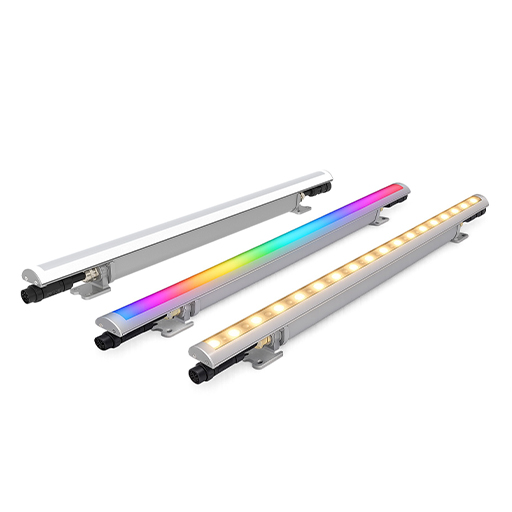
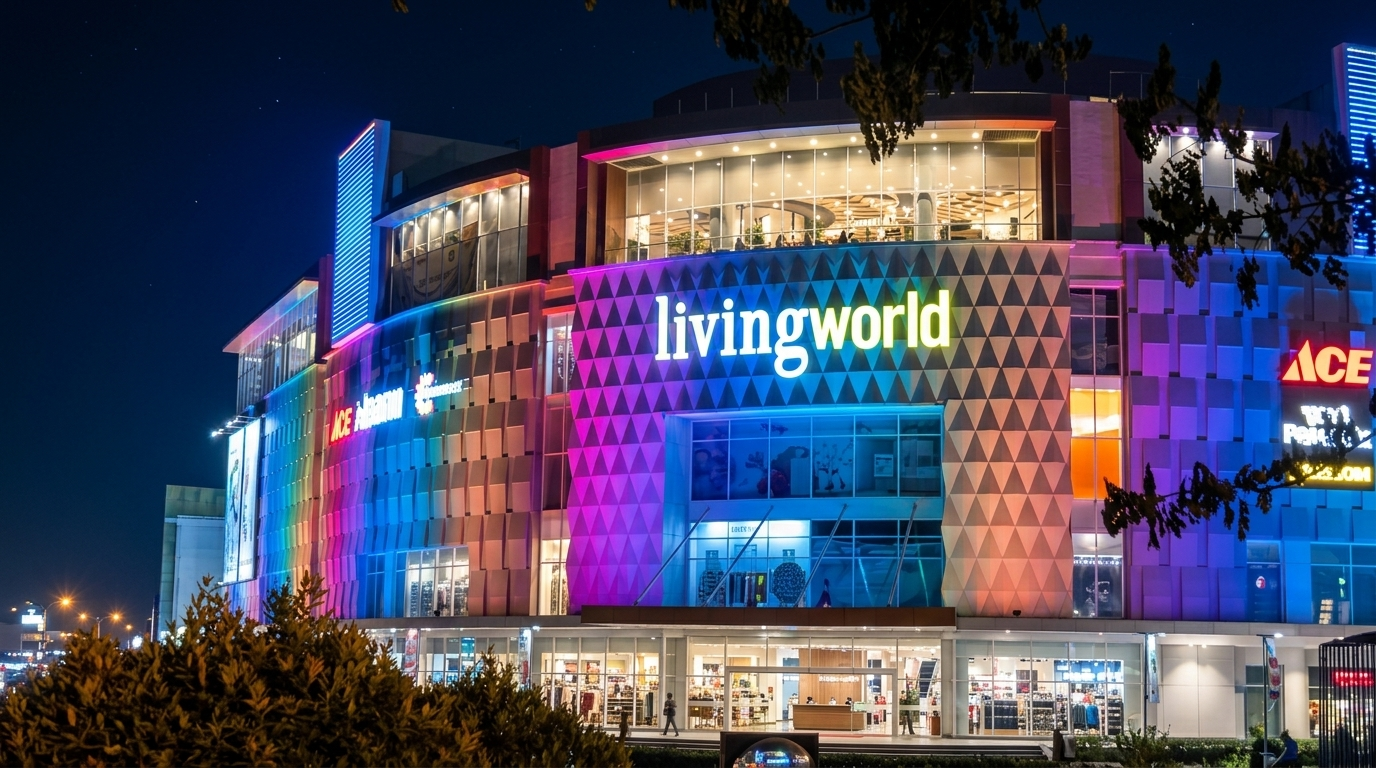
RGBW (dynamic) — Shopping centres, entertainment venues, landmark buildings, civic events. Full colour flexibility with the addition of a white channel for clean neutral light output. Requires DMX512 control.
Recommended Products by Application
When to Switch from Wall Washer to Spotlight
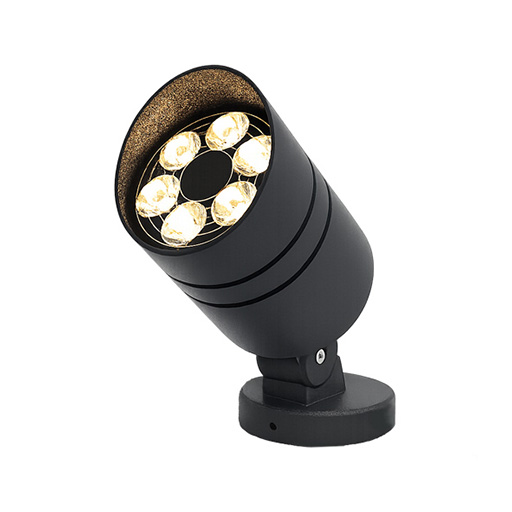
Wall washers are optimised for surfaces within 2.5 metres. When the required throw distance exceeds this — or when building height exceeds 10–12 metres — an architectural spotlight with a narrow beam angle delivers better illuminance control than a wall washer pushed beyond its optimal range.
The transition point indicators: mounting distance over 2.5m, building height above 10m, insufficient illuminance at maximum wall washer wattage, or a need to project light over a large horizontal distance to reach a tall structure.
TPK's SP-DKP-F170A (170W), SP-MEGA-F310A (310W) and SP-MEGA-F620A (620W) architectural spotlights cover medium to extreme long-throw applications. See our Facade Lighting Solutions page for a complete selection guide by building height.
Wall Washer Questions
Related guides: IP65 vs IP67 vs IP68 — Which Rating Do You Need? · DMX512 vs DALI vs 0-10V Control Guide